From MIR to MO Rads: A Conversation With the Missouri Radiological Society’s Incoming and Outgoing Presidents
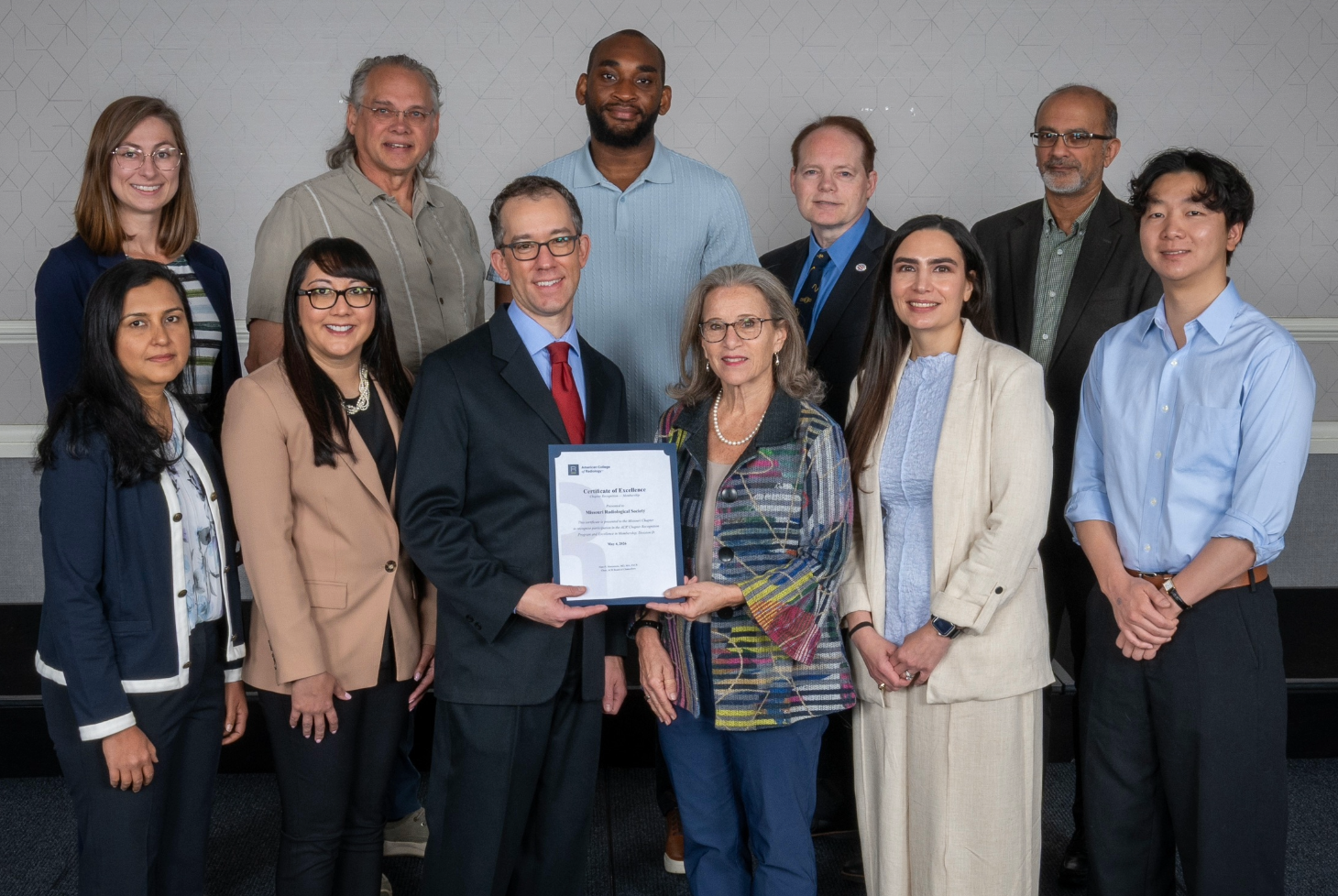
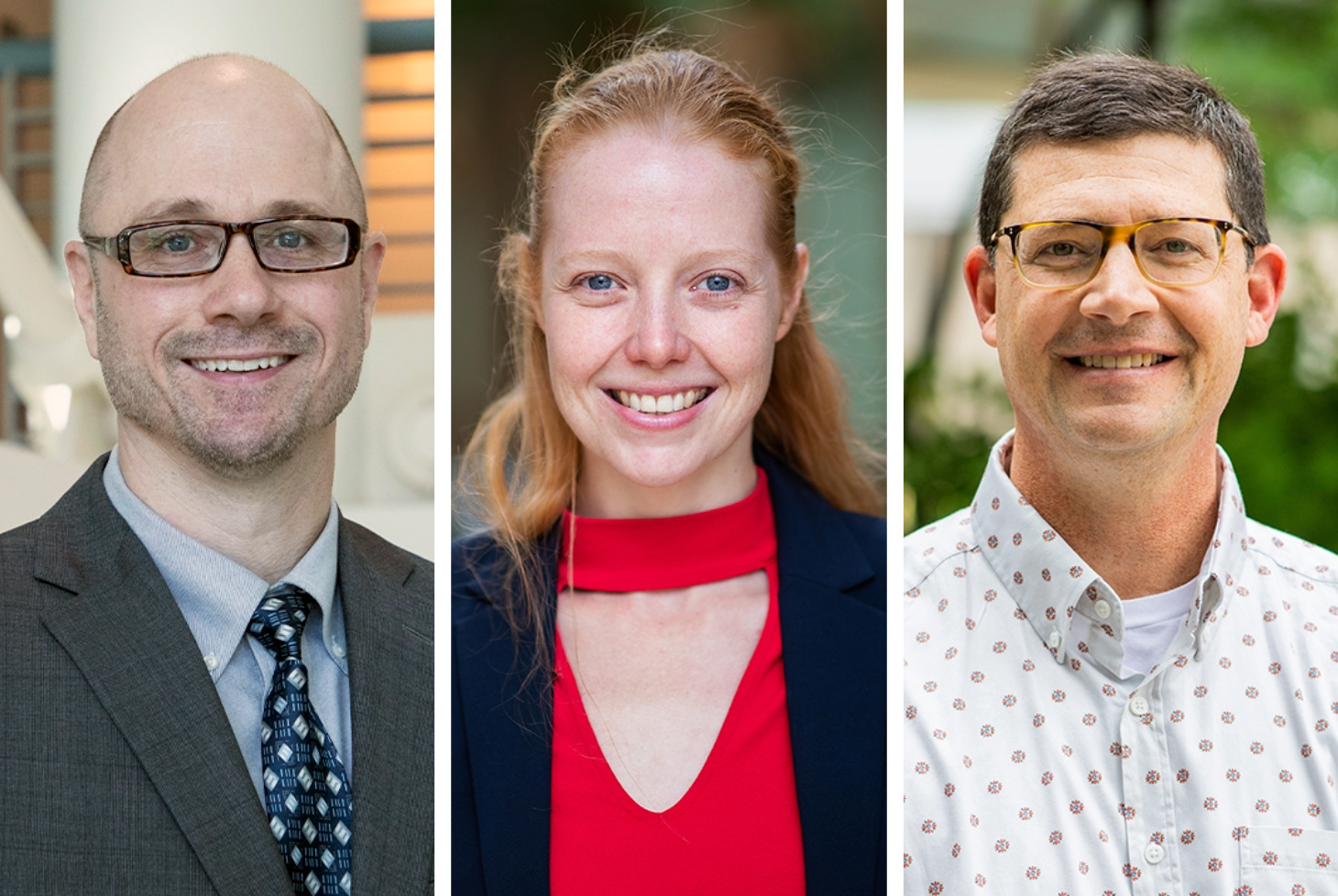
Benjamin E. Northrup, MD, and Elizabeth G. McFarland, MD (center), serve as back-to-back Missouri Radiological Society presidents, a first for the society. Photo credit: Max Taylor, Javad Nikpour, MO Rads
The Missouri Radiological Society, the state chapter of the American College of Radiology (ACR), brings together radiologists, radiation oncologists, medical physicists and nuclear medicine physicians from private practice, academia and training programs. Through education and advocacy, the society works to advance radiology across Missouri and strengthen the field at the national level.
For the first time in its history, MO Rads is being led by WashU Medicine Mallinckrodt Institute of Radiology (MIR) faculty members in back-to-back presidential terms: Elizabeth G. McFarland, MD, professor of radiology and 2025–2026 president, followed by Benjamin E. Northrup, MD, associate professor of radiology, who will serve as president for 2026-2027. MIR faculty have previously held this position, including Christopher A. Swingle, MD, who served from 2022-2023. The consecutive terms of McFarland and Northrup mark a first for the society and highlight MIR’s continued leadership in organized radiology across Missouri.
Looking Back With Elizabeth McFarland, MD
How would you describe your experience as president of the Missouri Radiological Society, and how did it evolve over your term?
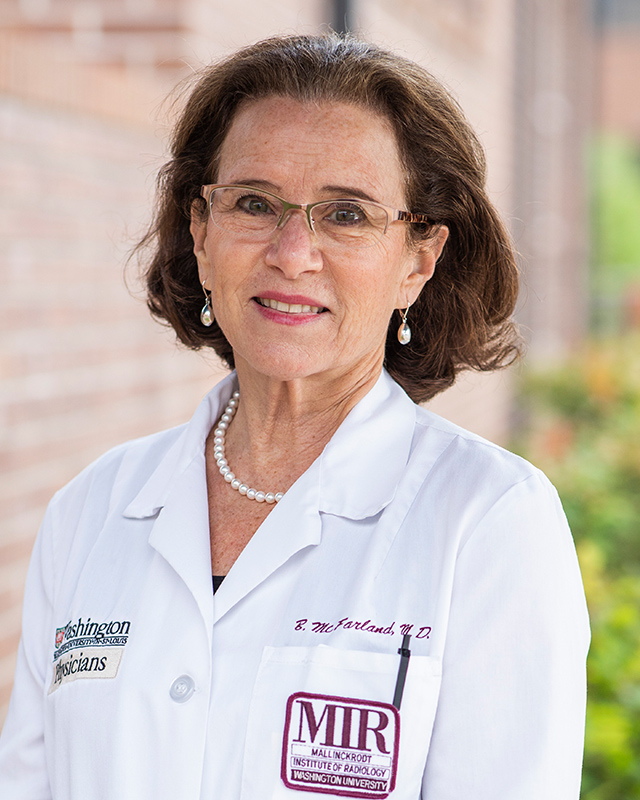
McFarland: In Missouri, we have a remarkably engaged group of physicians in leadership, including Amy K. Patel, MD (past MO Rads president and 2016 MIR breast imaging alumna), a national leader in political, health equity and breast cancer advocacy, and current president Ben Northrup, who has tremendous knowledge and dedicated efforts in economics, advocacy and Medicare reimbursement.
What makes MO Rads even more special is seeing the engagement of young trainees, including residents and medical students from across the state. As my term evolved, I was so moved by our close-knit group working together not only to improve radiology challenges at the state level, but also to develop friendships.
Which initiatives or projects are you most proud of, and what impact did they have on members?
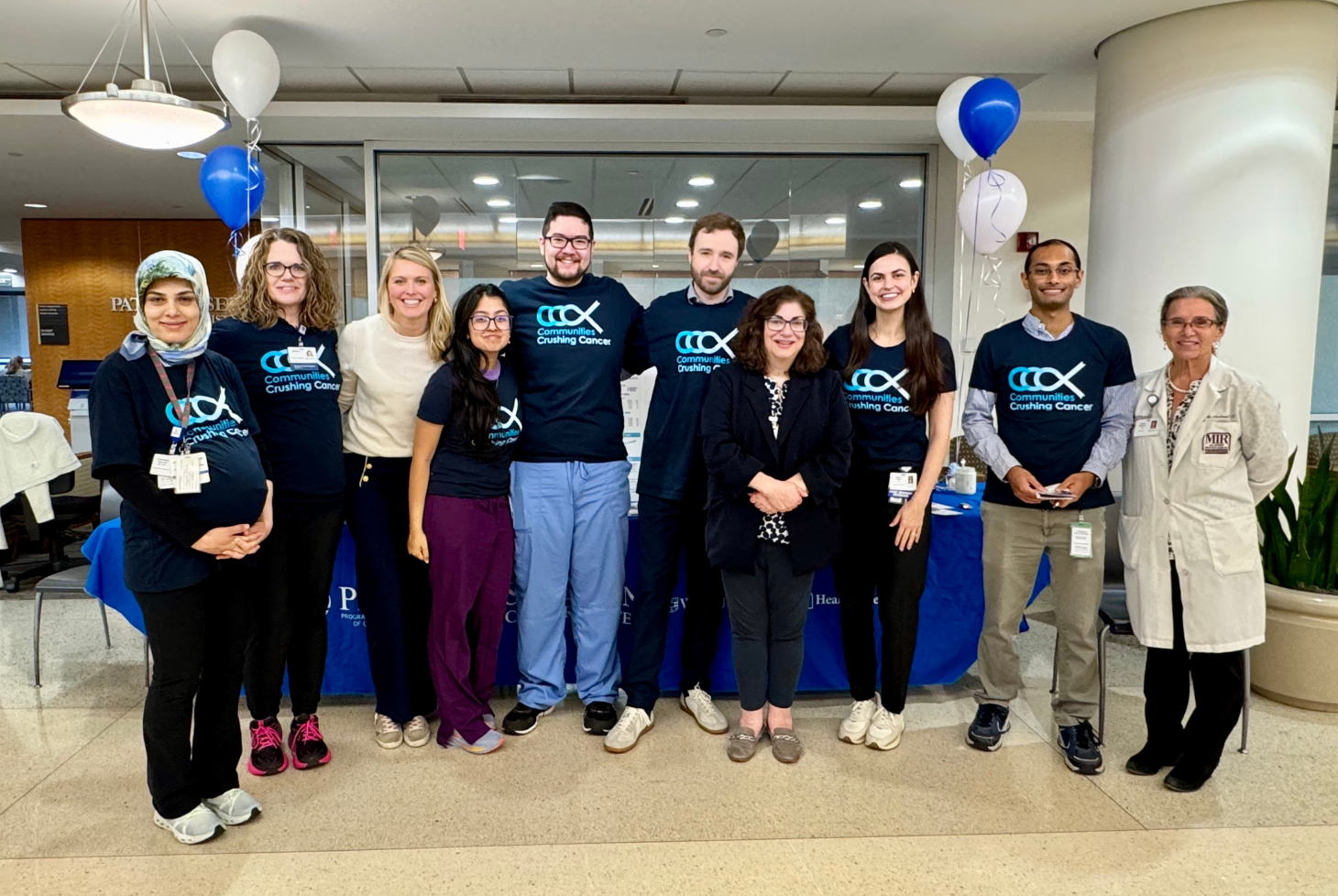
McFarland: We took part in the national Radiology Health Equity Coalition’s Communities Crushing Cancer initiative, a resident-run program to promote health equity. All four teaching hospitals in Missouri participated — WashU, University of Missouri-Kansas City, Saint Louis University and University of Missouri-St. Louis. Many trainees state these outreach efforts help uplift morale and give them a sense of purpose and meaning in their work.
I helped initiate the Goodhope-Segal Named Lectureship for our fall meeting, which was first given by MIR Director Pamela K. Woodard, MD, in October 2024. Karen Goodhope, MD, was the longstanding matriarch of MO Rads whose dedicated efforts spanned over 20 years, and she instilled in me how important it is to serve at the state level and bring up the next generation. Arlene Segal, MD, was similarly dedicated and showed me how important it was to serve after retirement.
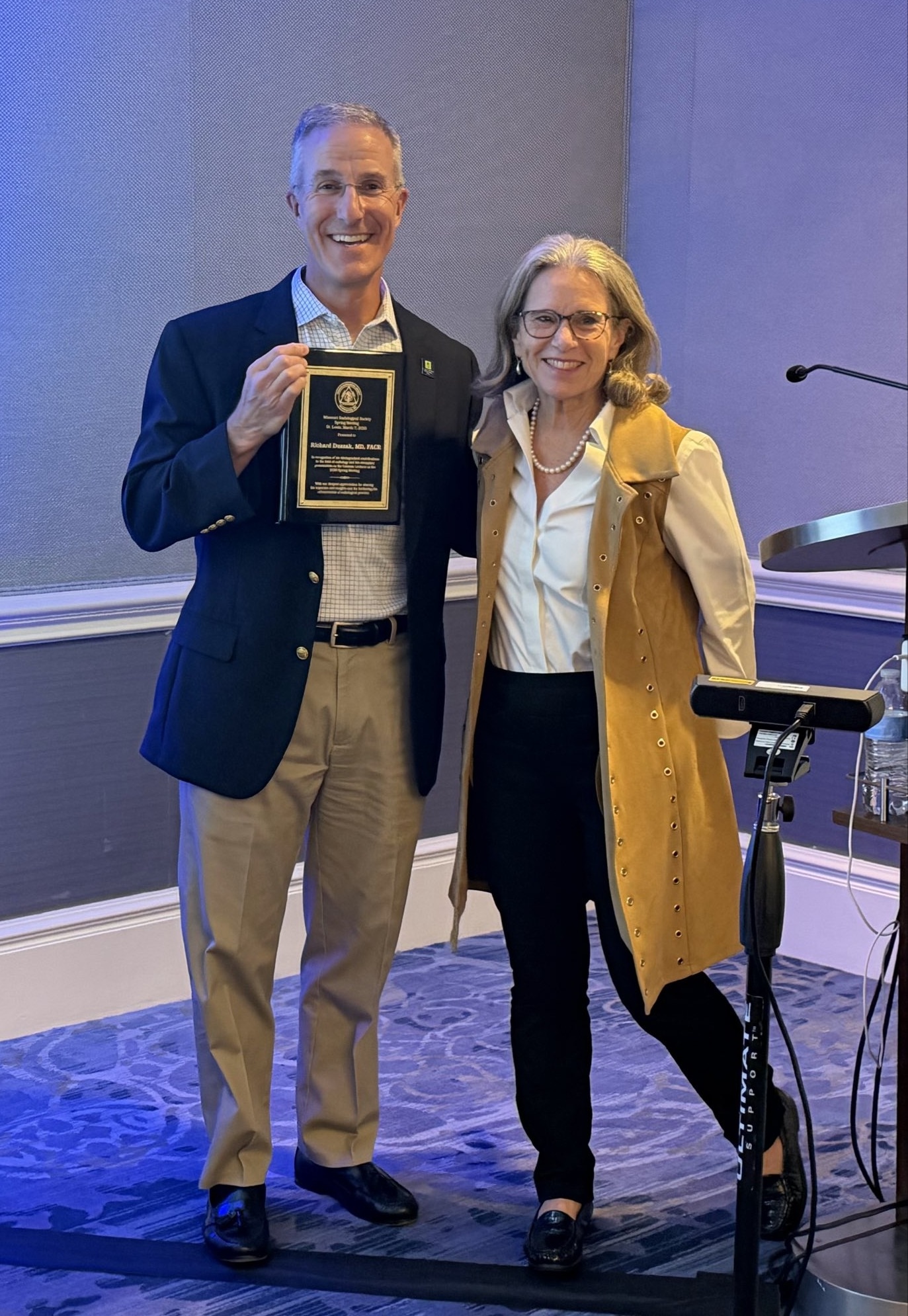
It was also special for me to invite Richard Duszak, MD, to give the Russell D. Carman Lecture for our annual spring meeting. We’ve worked together over the years in the CT Colonography CPT Codes Relative Value Update Committee, and I greatly respect his expertise in economics.
What is a favorite memory from your tenure?
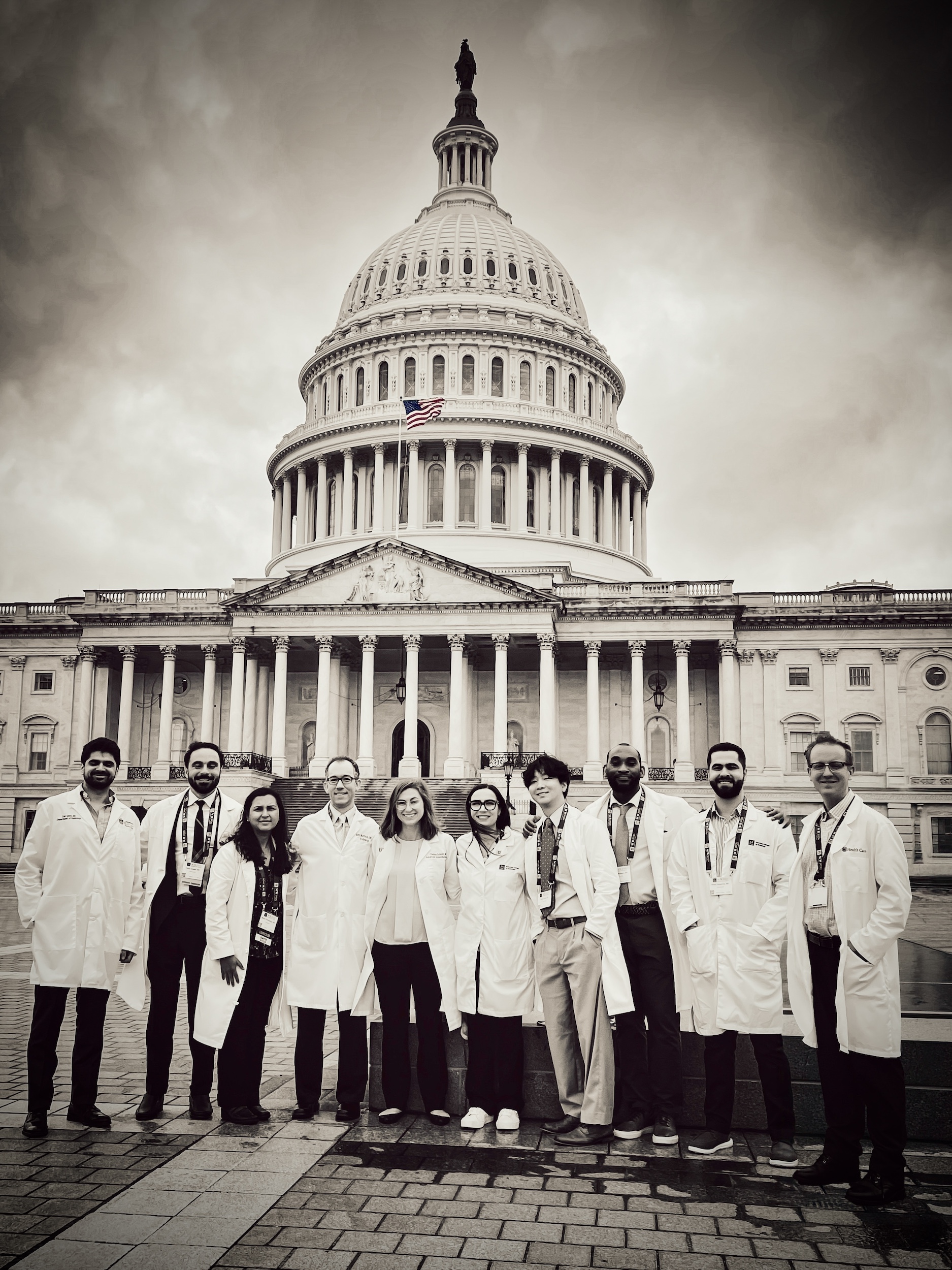
McFarland: I think Capitol Hill Day last May, which occurred at the end of the 2025 ACR national meeting. I was so impressed by the number of trainees who joined us and their care to impact their futures. For the past two years, we won the award for best picture!
What was the biggest challenge you faced during your presidency, and what did you learn from it?
McFarland: Falling membership is a challenge across all societies, given work-pace pressures and decreased travel fund reimbursements. We very much try to invest in young trainees and offer stipends for several ACR fellowships, which not only offer skill-building but also important networking opportunities.
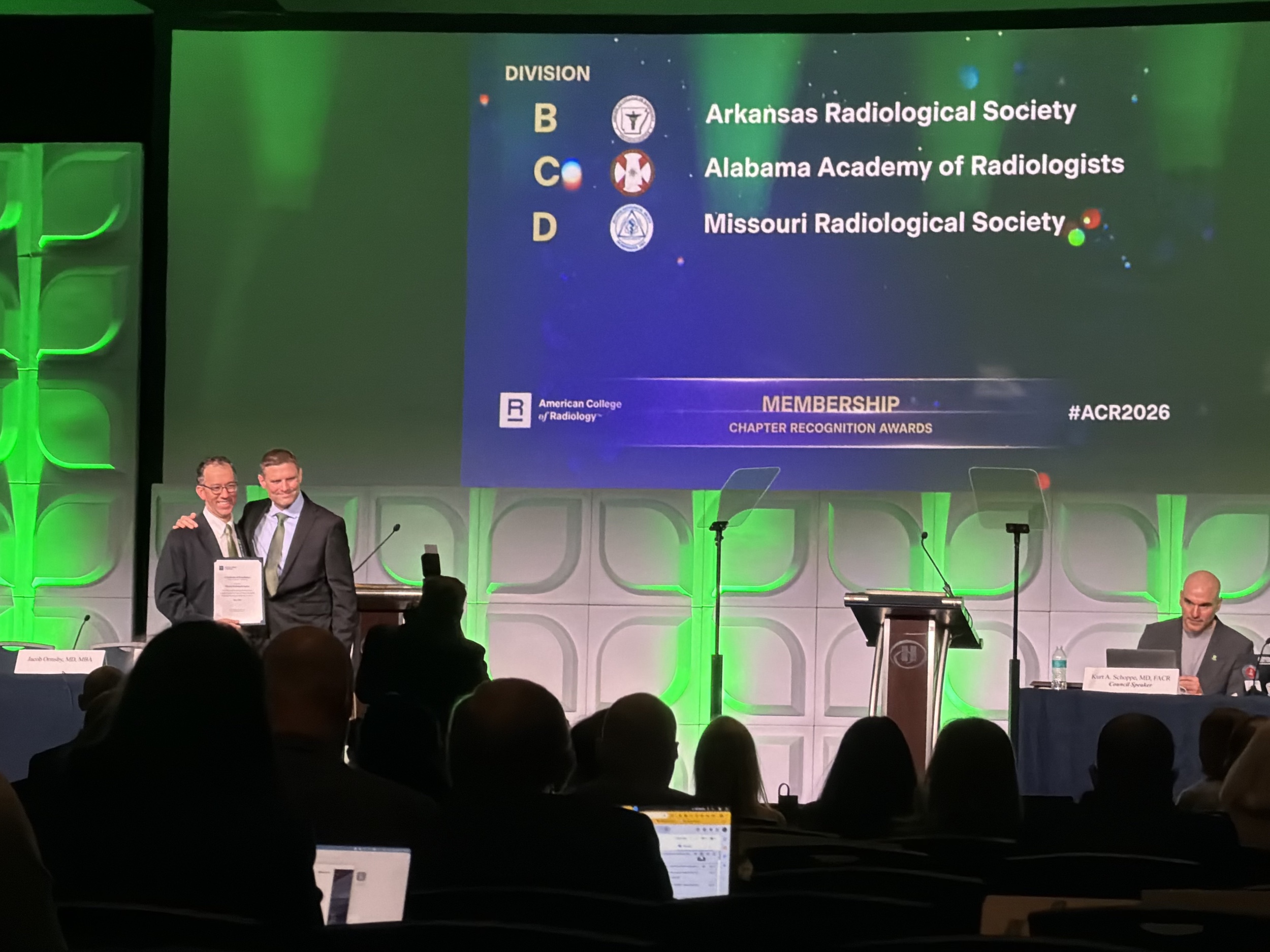
Ben Northrup took over from years of efforts by Keith Fischer, MD, in the Resident Physician Committee and helped expand leadership training opportunities for residents. These efforts have paid off; MO Rads won the Division D Award for Excellence in Membership for the most growth at the last ACR Annual Meeting.
What excites you most about the new president also being from MIR, and what opportunities does that bring?
McFarland: I cannot say enough about the leadership, expertise, integrity and compassion of our new president, Ben Northrup. He helped lead the Resident Physician Committee and genuinely cares about young trainees’ career development and the growth of MO Rads future leadership.
Ben also chairs the Legislative Committee and takes a leading role during Capitol Hill advocacy day when we go out as state chapters to discuss important radiology topics with House and Senate legislators. I have attended the past two years and I am increasingly impressed by his knowledge and clarity in communicating both scripted advocacy messages and his unscripted knowledge to discuss any topic asked of him.
Looking Forward With Benjamin Northrup, MD
What are your top priorities as Missouri Radiological Society president?
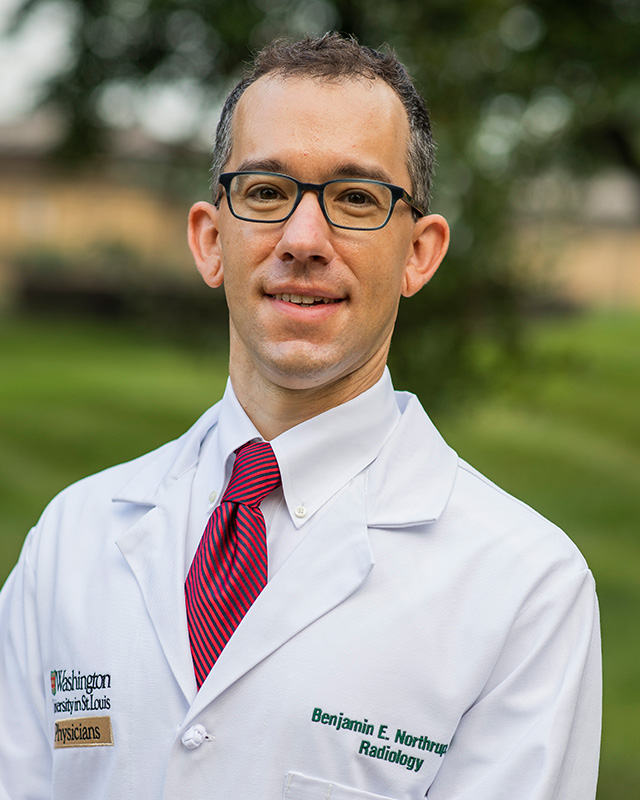
Northrup: My two biggest goals are to continue programs that have supported our residents in terms of educational and leadership opportunities, and to support our emerging leaders from our society going forward. We offer a wealth of resident opportunities — including society meetings, leadership training, networking events and education.
We also have big news this year. The James M. Moorefield, MD, Fellowship in Economics and Health Policy is a competitive program that allows trainees to see the ins and outs of economic health policy and how the ACR affects it, which is a rare and valuable opportunity for trainees. For many years, there was only one Moorfield fellow selected from residents across the nation. It is very difficult to be selected; in fact, I don’t think we had ever had a fellow from Missouri. A few years ago, ACR expanded it so that, in addition to the one national fellow, one or two states would also have dedicated Moorefield Fellows funded by their state radiology society. For the past few years, it had only been Texas and Pennsylvania, but recently, Missouri and Indiana have been added to the list and will have a Fellow on an every-other-year basis.
In championing these initiatives, what impact do you hope they’ll have on members?
Northrup: We have been lucky enough over the years to see a number of our MO Rads members have great success, and I expect that to grow this year. Our society includes many well-known, established leaders who have held very high positions, like Pam Woodard serving as ACR president. We also have several emerging leaders in our society, and I believe supporting them is one of the most important roles that I can play.
We have also seen great success from many of our mid- and early-career folks. For example, Chelsea Schmitt, MD, one of our former chief residents and abdominal imaging fellows, was the chair of the ACR Resident and Fellow Section. In fact, she started early on with leadership roles within MO Rads, then ultimately ended up with the highest position in RFS leadership. She’s one of our best resident success stories and we’re proud to have supported her through her journey.
What does it mean to you to follow another MIR leader in this role, and how do you see that continuity benefiting the organization and its members?
Northrup: It has been great to have support from Beth McFarland. She has been instrumental in helping me learn the ropes and supporting me throughout my time on the executive committee. After the end of her term, she stayed on as the immediate past president and has been a key voice in many of the important decisions our executive team has had to make this year. Her impact, from leadership to advocacy, including the wildly successful Communities Crushing Cancer program, is profound, and it is difficult to imagine MO Rads today without her.
One of the recent items that Beth and I have worked on together was our spring meeting in St. Louis. Everybody on the executive committee works on the programming for these meetings, and Beth had a phenomenal idea for a speaker — Rich Duszak. He came to MIR to speak on medical malpractice to our residents one day, and then came to the MO Rads meeting the next day to discuss economic, policy and workforce-related challenges related to mid-level providers.
We’re also lucky enough to secure excellent speakers for both the upcoming fall and spring meetings: Philip O. Alderson, MD, dean emeritus of Saint Louis University School of Medicine, on October 31 in Columbia, MO, and Alexander Norbash, MD, dean of University of Missouri–Kansas City School of Medicine, on March 6, 2027, in Kansas City, MO.
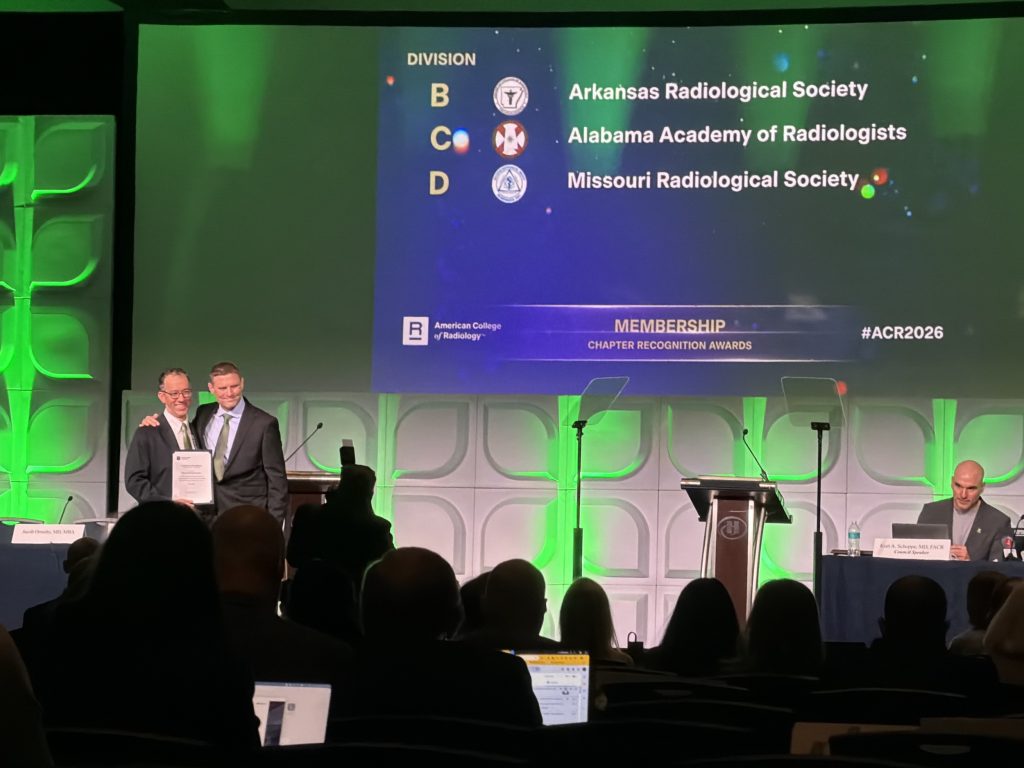 Benjamin Northrup, MD, accepting the Division D Award for Excellence in Membership at the 2026 ACR Annual Meeting. Photo credit: Missouri Radiological Society
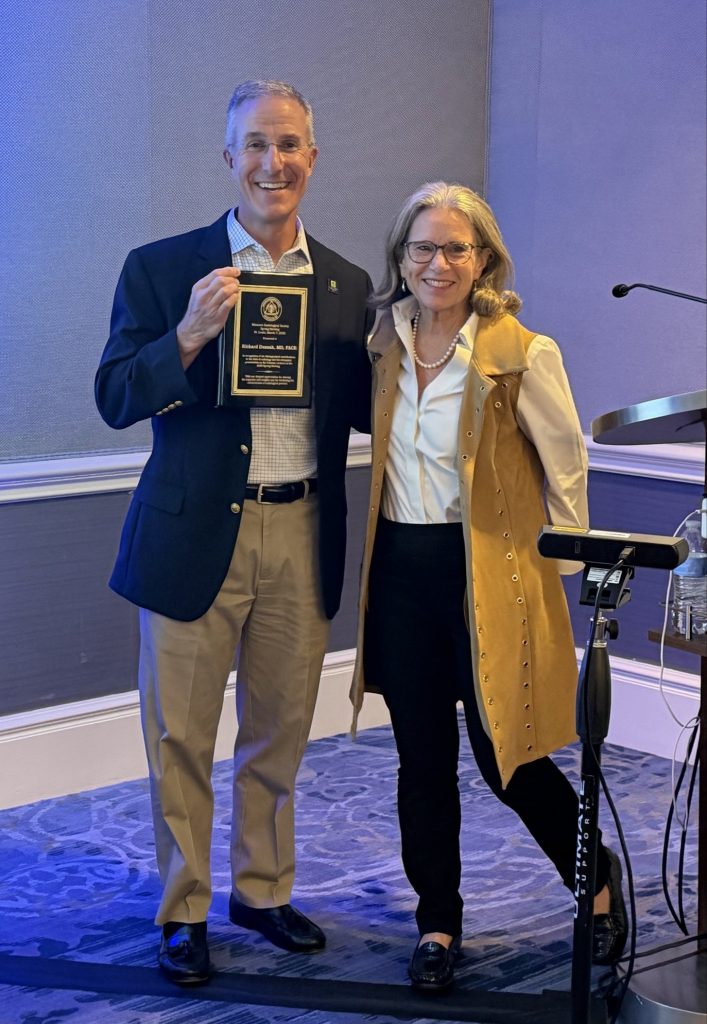 Beth McFarland, MD, and Richard Duzak, MD, at the 2026 ACR Annual Meeting. Photo credit: Missouri Radiological Society
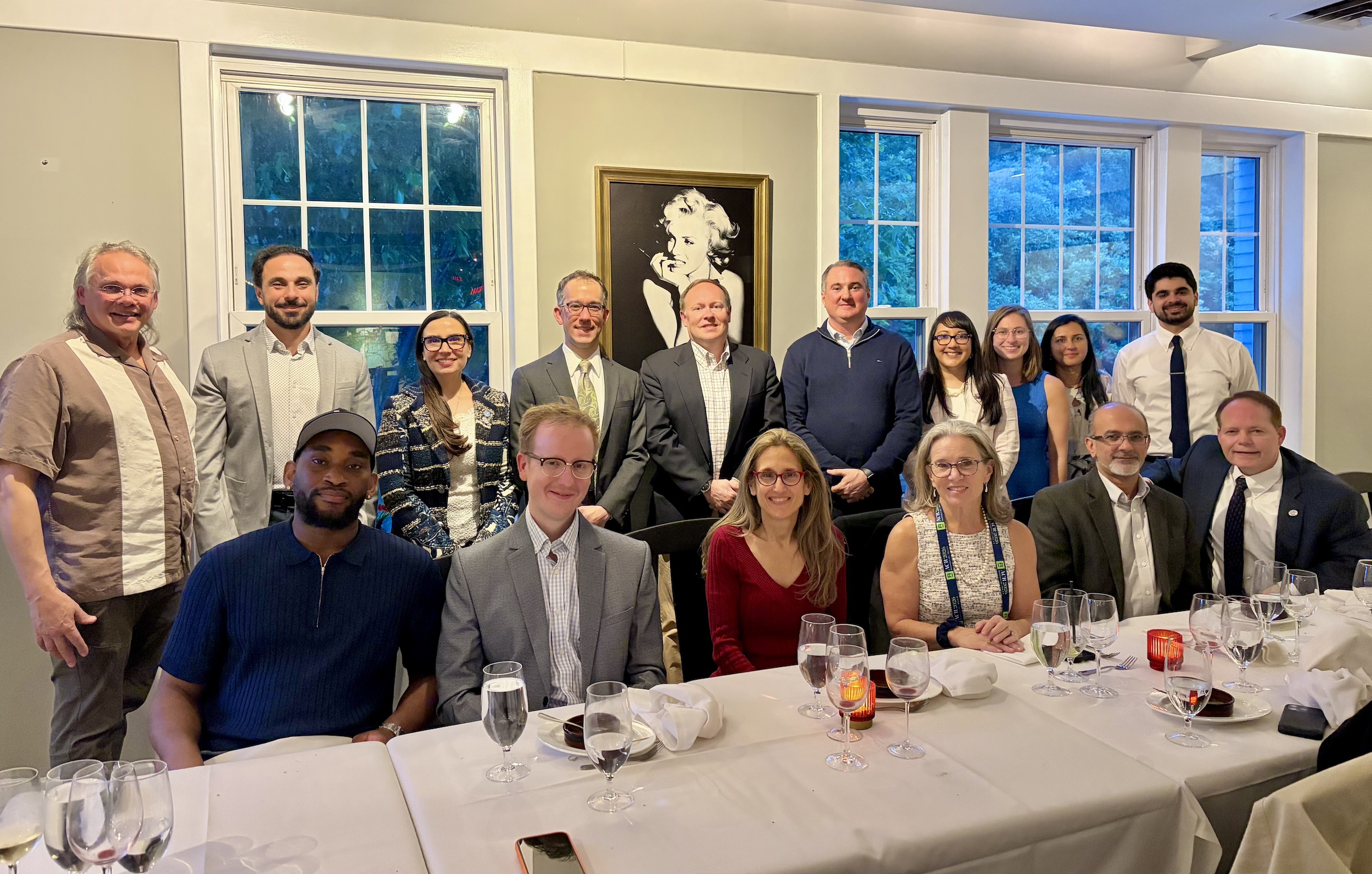
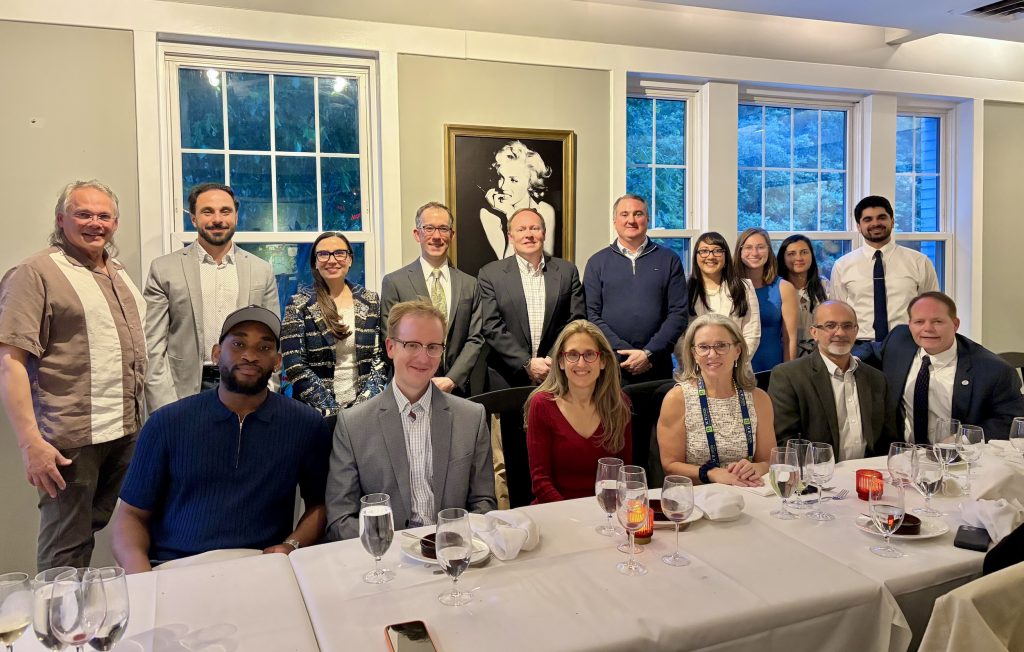 MO Rads members. Photo credit: Missouri Radiological Society
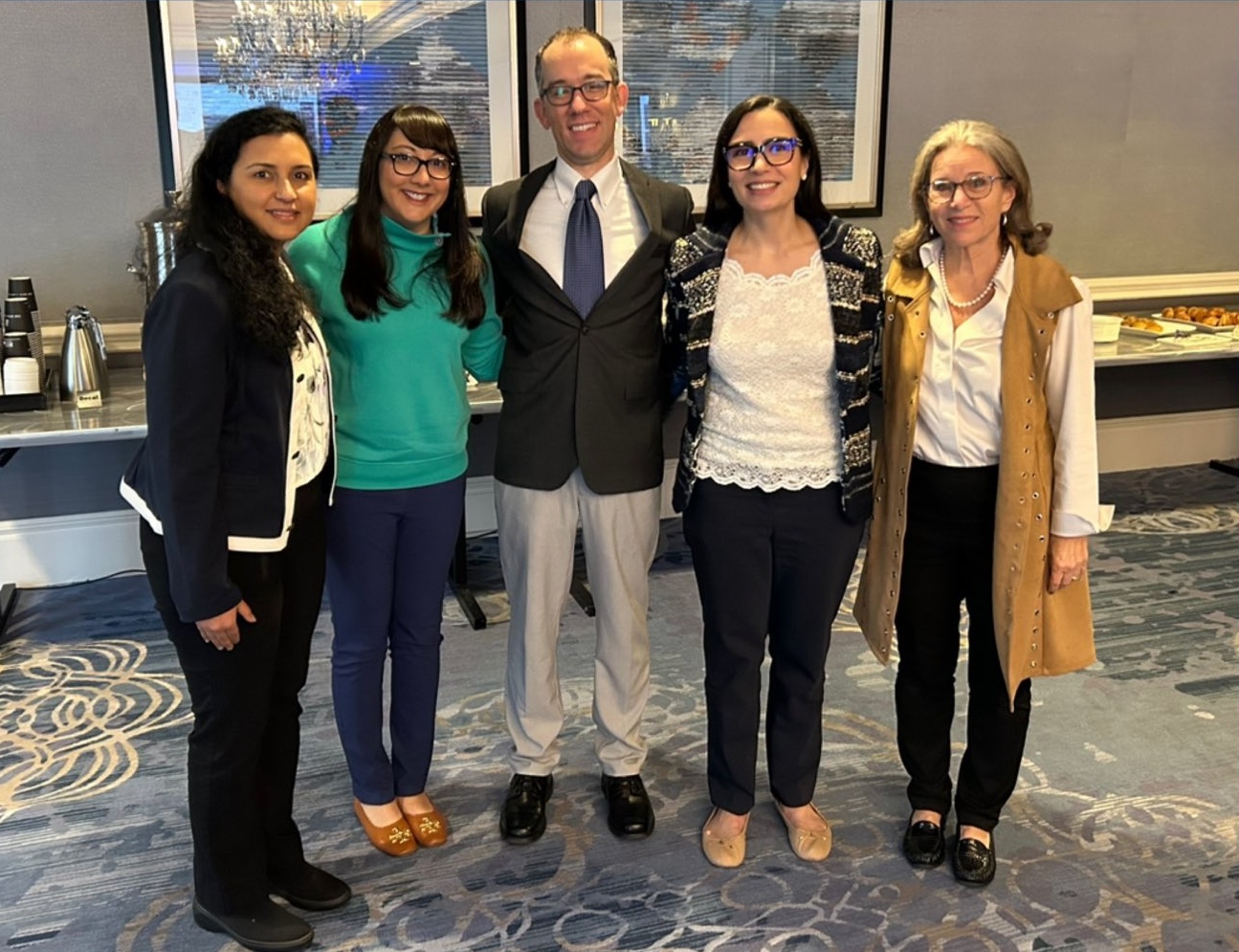
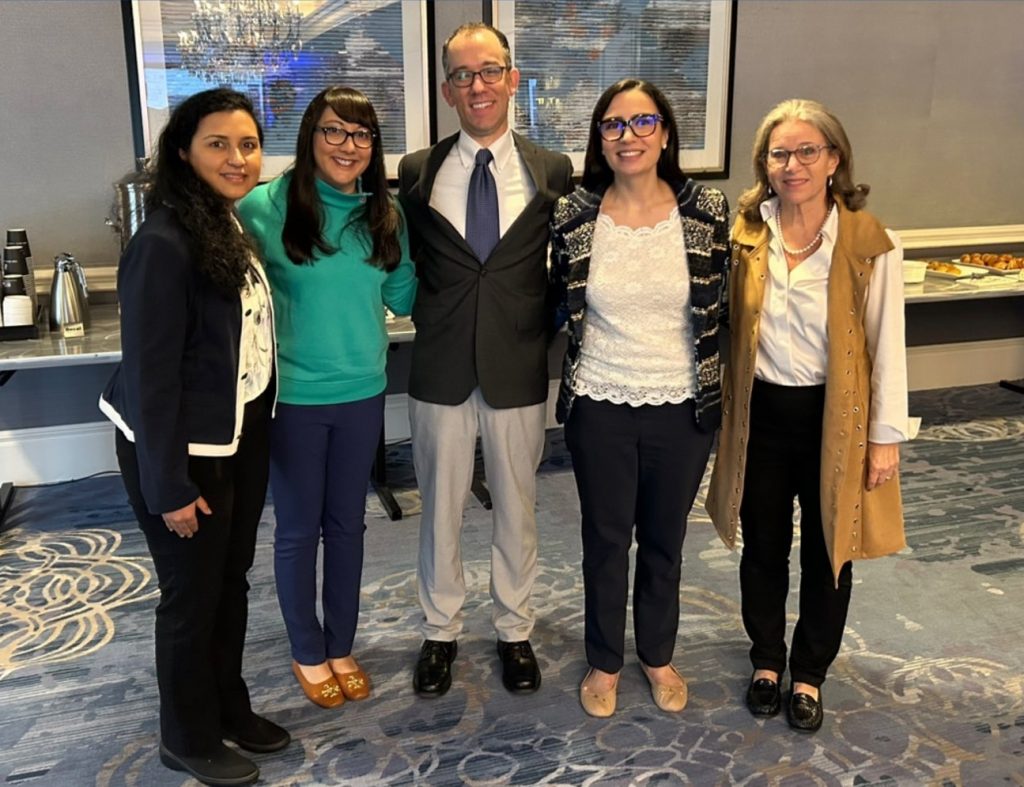 Ben Northrup, MD (center) and Beth McFarland, MD (right), with the other society officers at the Spring 2026 meeting. Photo credit: Missouri Radiological Society
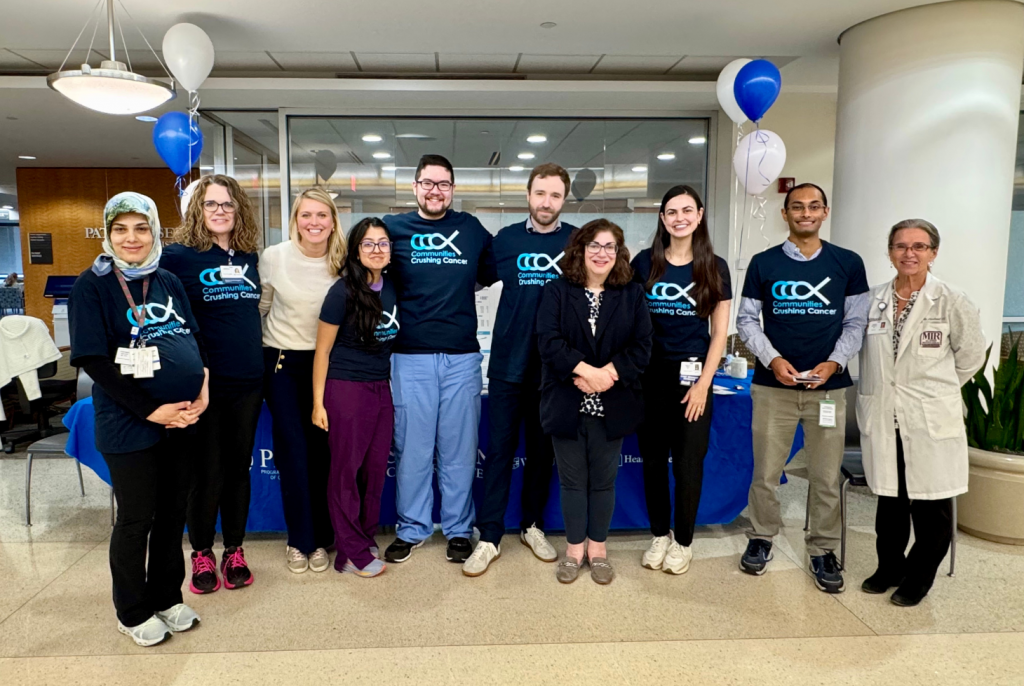 Beth McFarland, MD (right), with residents at the 2025 Communities Crushing Cancer event.