MIR Rises to 2nd in NIH Research Funding at $44 Million
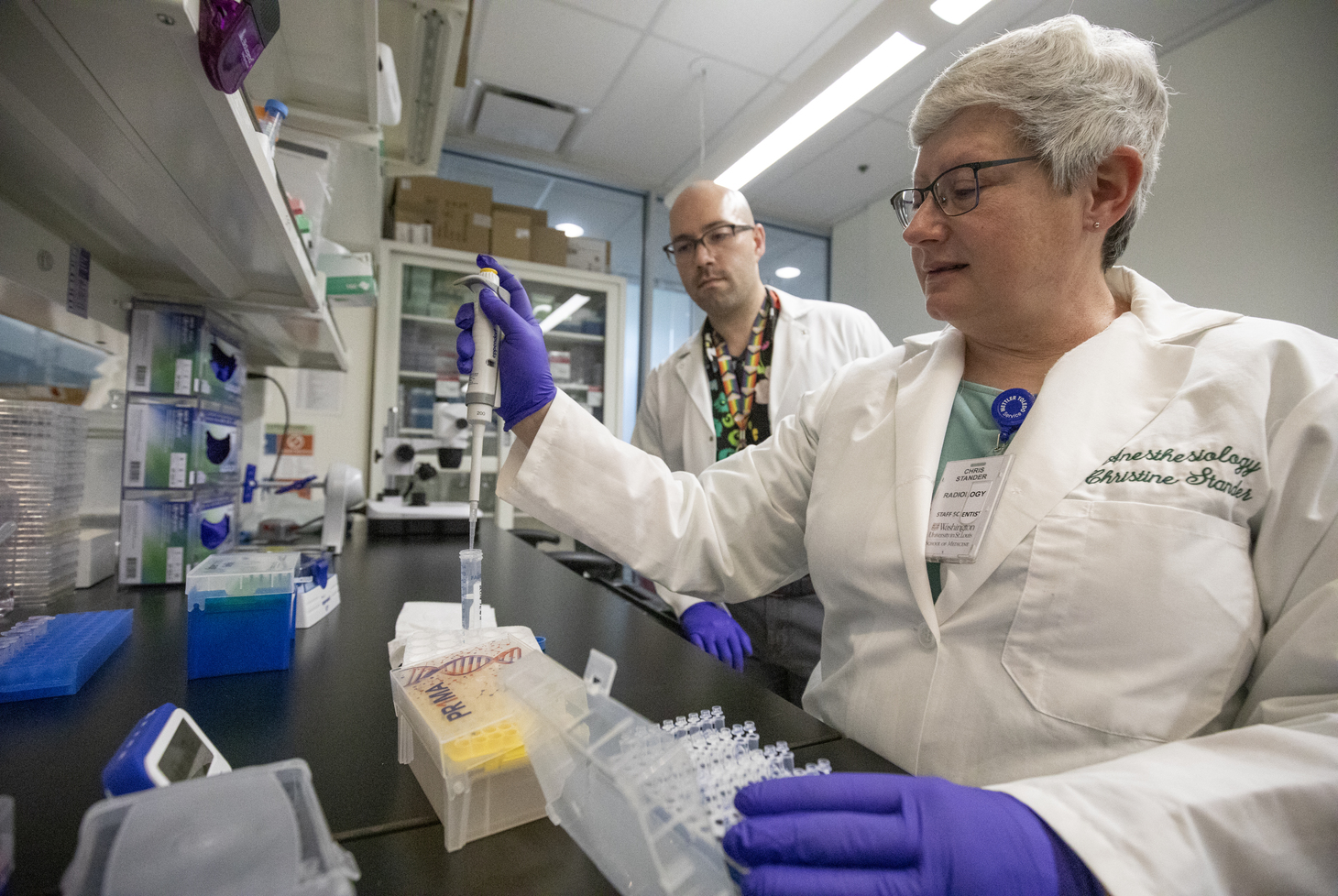
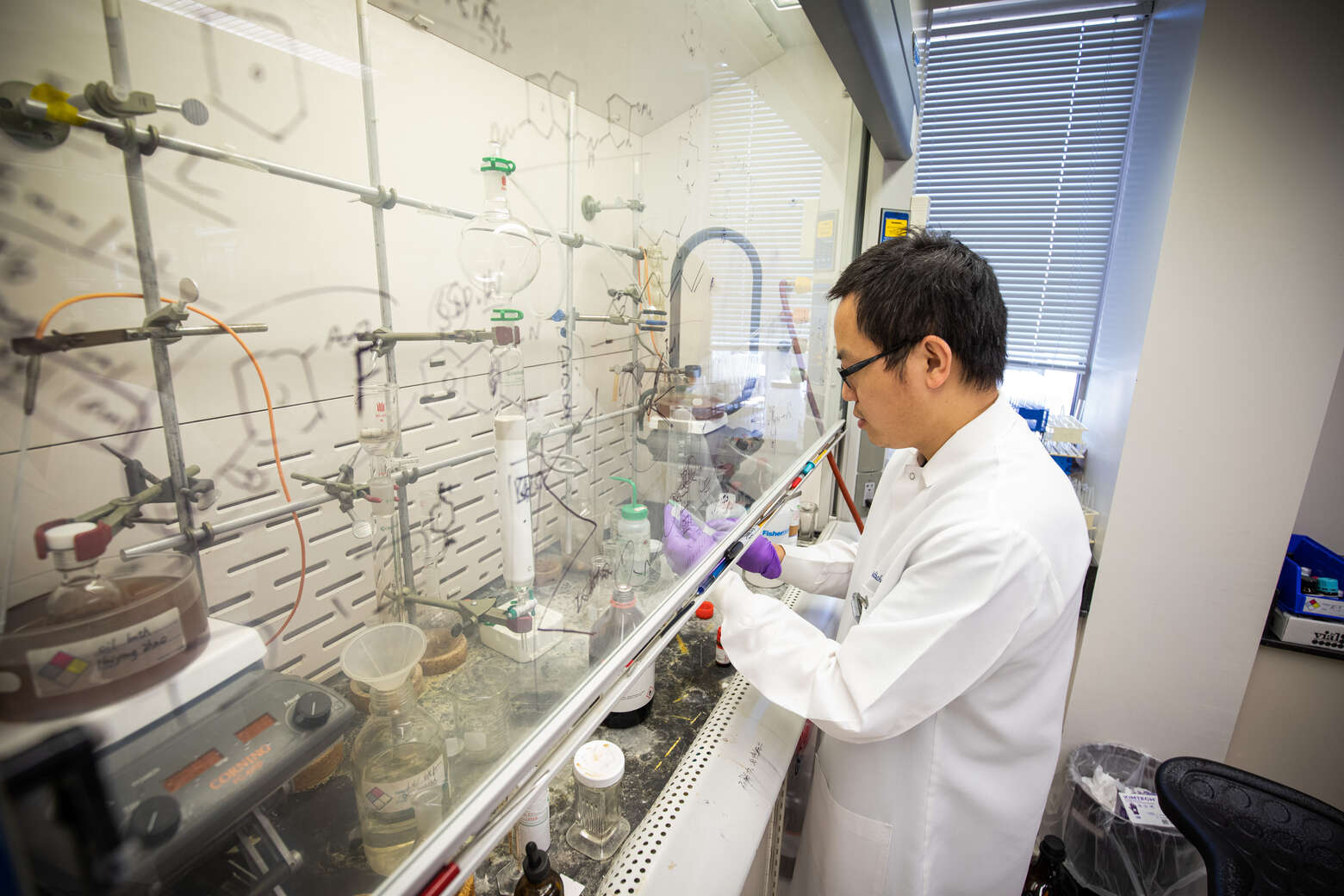
Every day, investigators, physician-scientists and research staff at WashU Medicine Mallinckrodt Institute of Radiology (MIR) work to transform their research endeavors into clinical breakthroughs. This drive to innovate has earned $44 million in NIH funding — the second-highest amount among U.S. academic radiology departments in fiscal year 2025.
Determined by the Blue Ridge Institute for Medical Research (BRIMR), these rankings are widely viewed as a benchmark of scientific vitality, underscoring MIR and WashU Medicine’s ongoing dedication to advancing medicine through rigorous, high-impact research.
Despite a rapidly evolving federal research environment, MIR has continued to develop its research portfolio. “This year’s ranking reflects the creativity, resilience and dedication of our investigators and their research groups, along with important contributions from our administrative and facilities teams — all working together to adapt and thrive in a competitive funding landscape,” said Robert J. Gropler, MD, senior vice chair and division director of radiological sciences. “Our research enterprise continues to tackle some of the most pressing challenges in biomedical imaging, and this ranking underscores the national impact of this work.”
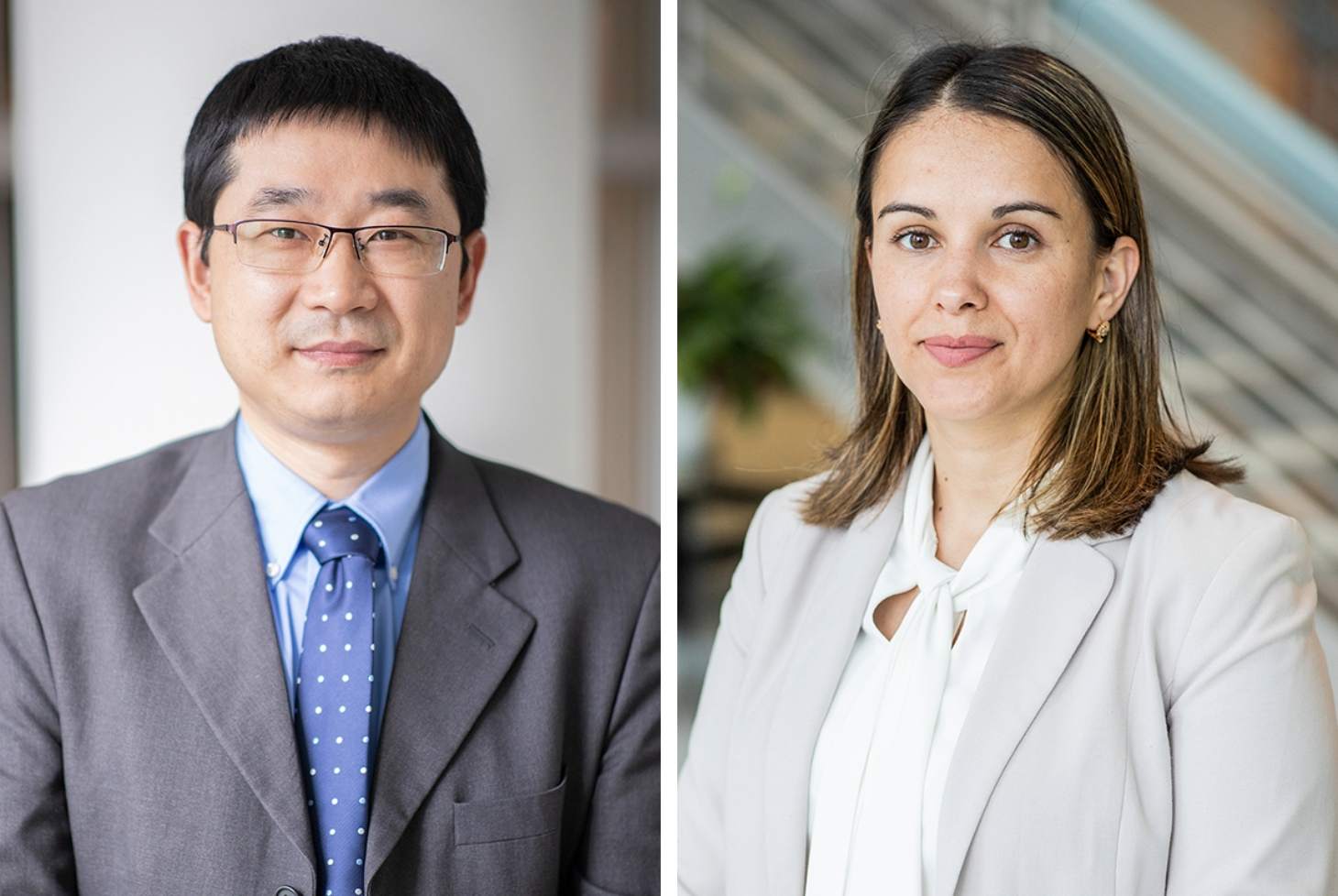
WashU Medicine received more than $675 million in NIH funding for fiscal year 2025, securing the second spot among U.S. medical schools for the third year in a row. BRIMR also named several MIR investigators among the top 100 NIH-funded researchers: Ganesh B. Chand, PhD, Vijay Sharma, PhD, Kooresh I. Shoghi, PhD, and Muriah D. Wheelock, PhD.
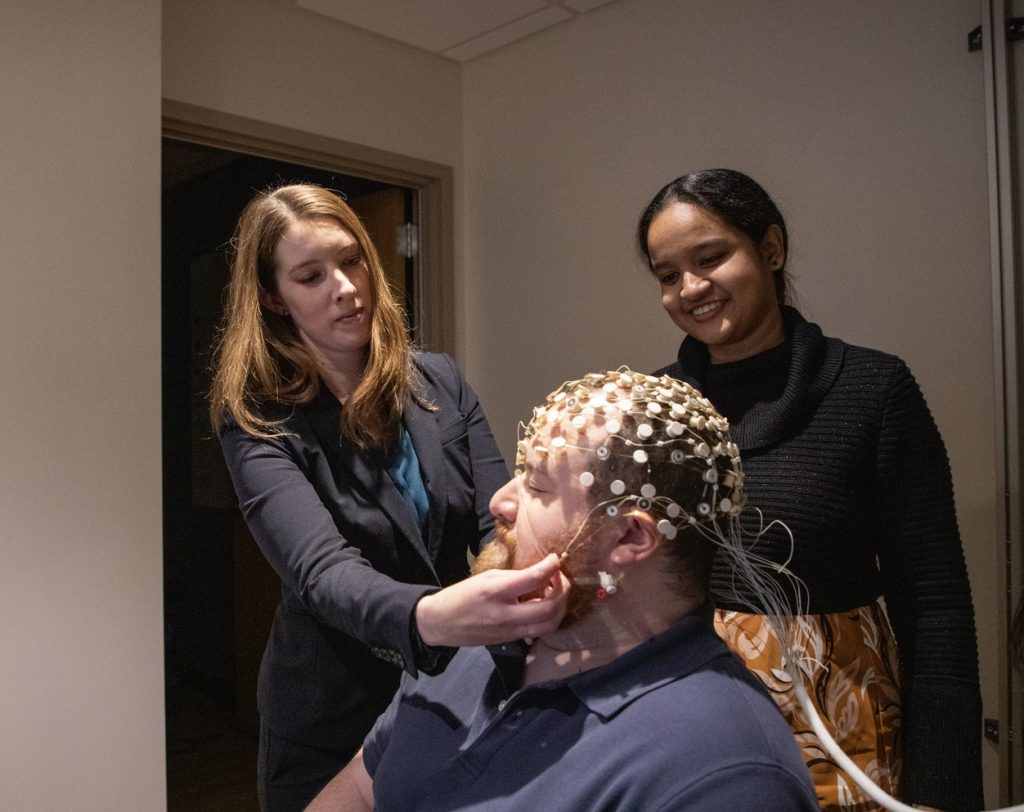
This recognition highlights researchers working across multiple domains of imaging science — from radiopharmaceutical development to advanced neuroimaging and quantitative imaging analytics.
“We’re proud of this year’s accomplishments, and we are even more excited about what lies ahead,” said Pamela K. Woodard, MD, the Elizabeth E. Mallinckrodt Professor of Radiology and director of MIR. “Our research programs are growing and our imaging technologies are advancing, which empowers us to accelerate discoveries that benefit patients.”