WashU Researchers Develop Technique to Assess Reliability of Medical AI
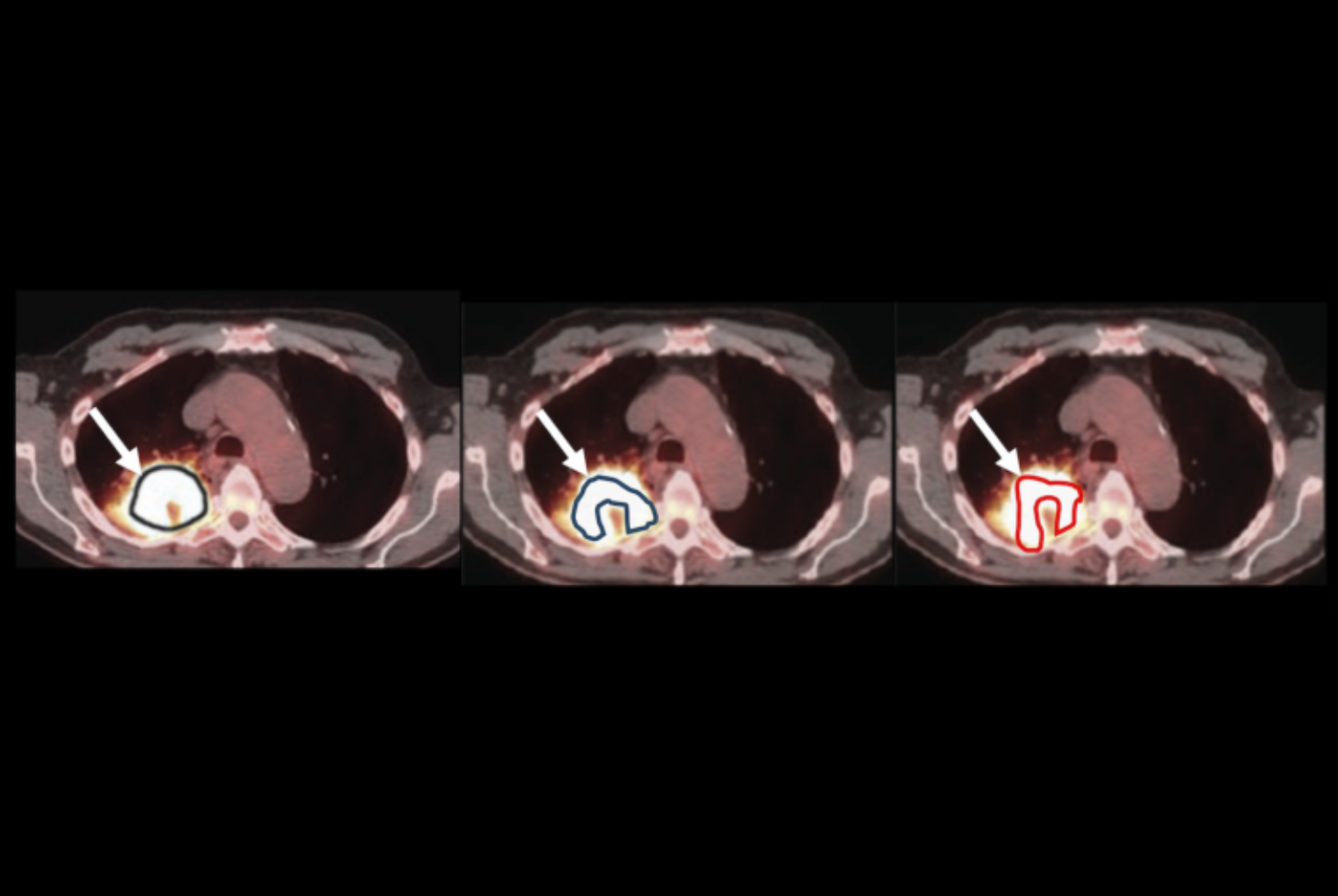
Three tumor-delineation methods yield different tumor-volume estimates from the same clinical image. The proposed NGSE-Corr technique provides a way to compare such methods without requiring knowledge of the true value (Image credit: Jha Lab).
Quantitative measurements from medical images play an increasingly important role in clinical decision-making, driving the development of new imaging tools, including artificial intelligence (AI)-based technologies. But how reliable are these tools? In clinical practice, the true value being measured is often unknown, making it difficult to determine whether a measurement method is accurate.
An interdisciplinary team of WashU researchers from has developed a technique to help researchers and clinicians assess the reliability of quantitative medical imaging tools. The technique, called NGSE-Corr, can objectively identify which imaging methods perform best — even when there is no “gold standard,” or known true value, against which to compare measurements.
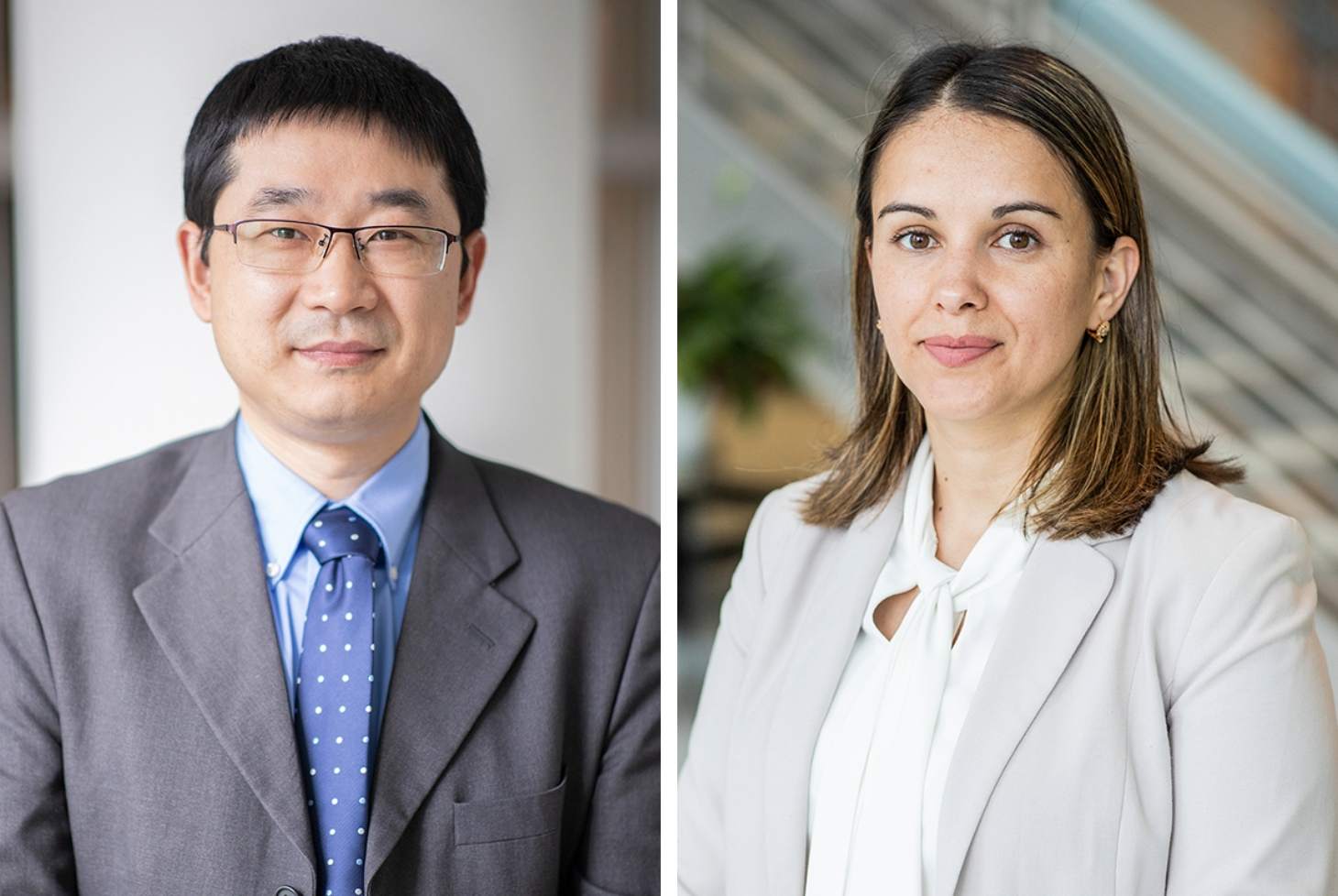
The project was led by Abhinav K. Jha, PhD, associate professor of radiology at WashU Medicine Mallinckrodt Institute of Radiology (MIR) and of biomedical engineering at WashU McKelvey Engineering. Other MIR authors include Daniel L.J. Thorek, PhD, and Barry A. Siegel, MD. Yan Liu, a student in WashU’s Imaging Science PhD program, is the study’s first author.
The team’s findings were published in IEEE Transactions on Medical Imaging.
Read more from McKelvey School of Engineering.