Liu, Ribeiro Pereira and Shokeen Receive Siteman Investment Program Awards to Fund Cancer Research
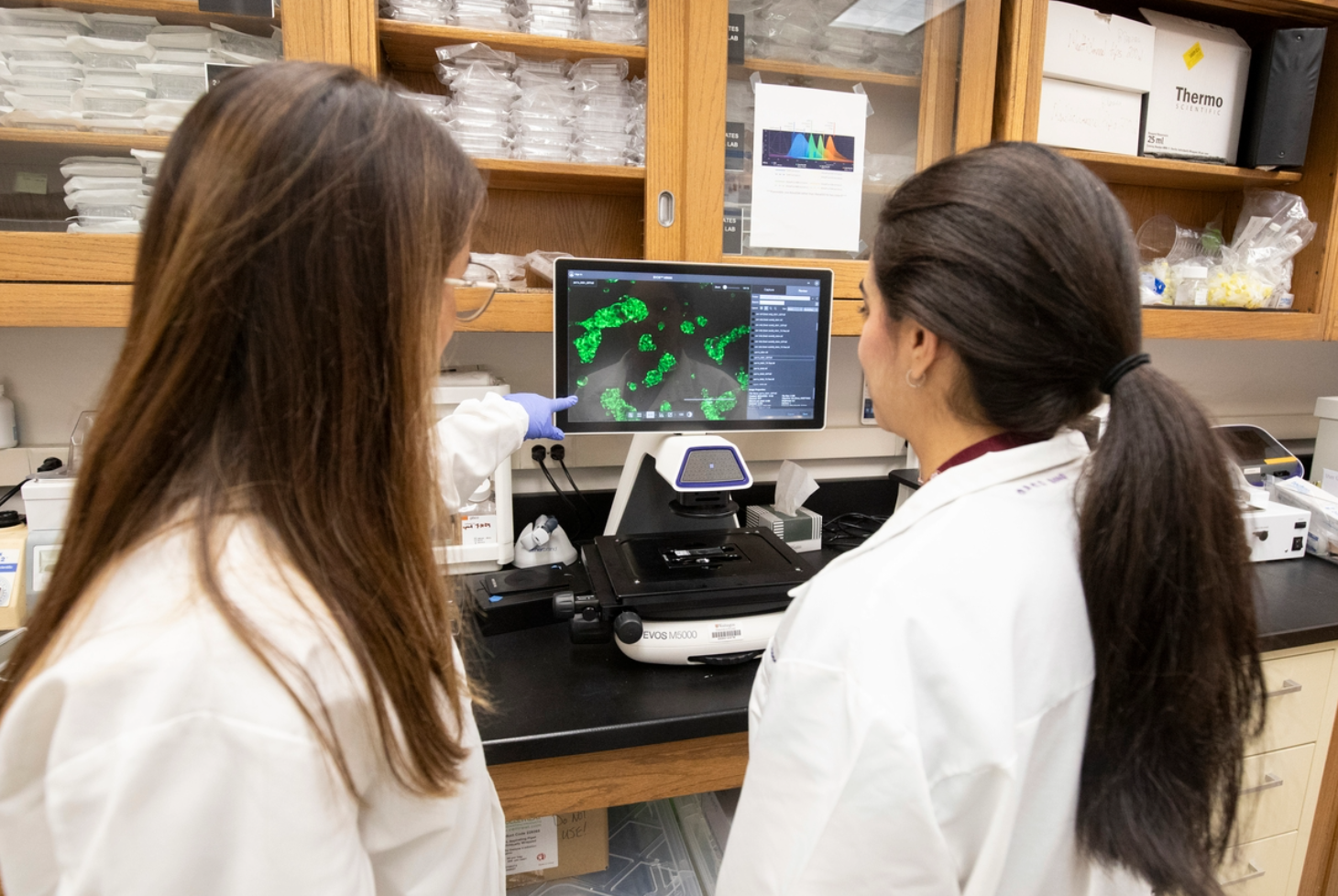
Three projects from WashU Medicine Mallinckrodt Institute of Radiology (MIR) investigators were selected to receive research grants through the Siteman Investment Program. Supported by Siteman Cancer Center at Barnes-Jewish Hospital and WashU Medicine, these biannual research grants are awarded to those leading unique cancer research projects that advance patient care through innovation. All three projects were awarded funding in the Pre-R01 Category.
“Tumor-Associated Macrophage Modulated Radioimmunotherapy of Head and Neck Squamous Cell Carcinoma”
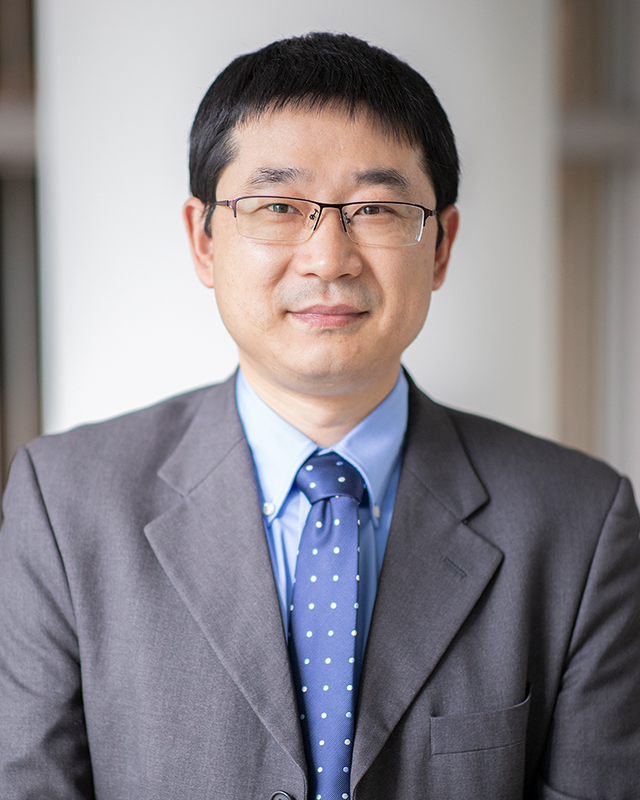
Head and neck squamous cell carcinoma is a difficult cancer to treat, with little improvement in survival over the past three decades and significant side effects from standard therapies. A key challenge is the tumor microenvironment, where immune cells, particularly tumor-associated macrophages, including a subtype known as CD163+ TAMs, suppress the body’s ability to fight cancer and contribute to tumor growth, spread and treatment resistance.
Yongjian Liu, PhD, a professor of radiology and principal investigator of the Liu Lab within the Precision Radiotheranostics Research Center (PRTC), aims to develop a targeted radionuclide therapy that delivers radiation directly to these harmful immune cells using radioactive copper–labeled probes. By selectively targeting CD163+ TAMs, he aims to reshape the tumor environment, reduce resistance and enhance the effectiveness of existing treatments such as chemotherapy and immunotherapy, potentially offering a more precise and effective option for patients.
“Predicting Response of HER2-Low Breast Tumors to Trastuzumab-Deruxtecan Through Quantitative Imaging”
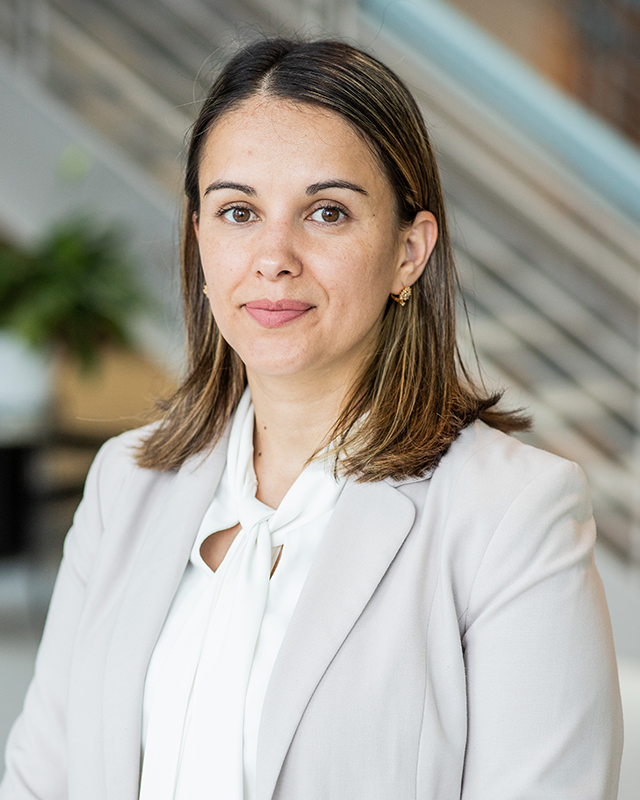
Most patients with advanced breast cancer eventually develop resistance to anti-HER2 antibody-drug conjugates, including therapies based on trastuzumab, limiting their long-term effectiveness. Antibody-drug conjugates, which combine targeted antibodies with cancer-killing drugs, have shown promise but can cause unnecessary side effects in patients who are unlikely to respond to treatment.
Patrícia M. Ribeiro Pereira, PhD, an assistant professor of radiology and a principal investigator of the Disease Imaging and Therapy Lab in the PRTC, is developing a whole-body imaging approach to determine which patients, particularly those with HER2-low tumors, are most likely to benefit from these treatments. By leveraging predictive biomarkers and refining imaging techniques to assess treatment response, she aims to pair these therapies with other treatments to better personalize care, reduce toxicity and guide future clinical trials toward more effective breast cancer therapies.
“Imaging, Phenotyping, and Molecular Targeting of CD38-Resistant Multiple Myeloma Cells”

Multiple myeloma, the second most common blood cancer, remains incurable and almost always relapses. Patients who become resistant to CD38-targeted therapies often face low survival rates measured in months.
Monica Shokeen, PhD, vice chair for outreach and principal investigator of the Imaging Without Borders Lab in the Biophotonics Research Center, is focused on understanding why resistance develops, particularly in aggressive “CD38-low” myeloma cells that grow faster, cause more bone damage and spread to organs like the kidneys. Shokeen, an associate professor of radiology, will examine biomarkers and mechanisms — altered cellular pathways, abnormal blood chemistry and tumor microenvironment interactions — to understand how CD38 loss makes the disease more aggressive and resistant to treatment. Ultimately, Shokeen aims to develop strategies to detect tumor cells earlier and create more effective treatments to improve patient survival and quality of life.
Learn more about the funded projects from the Siteman Cancer Center.