

In October 2025, WashU Medicine Mallinckrodt Institute of Radiology (MIR) officially moved all imaging services from its building on south campus to the new Plaza West Tower, located at the former site of Queeny Tower. The 16-floor, state-of-the-art tower stands as a monument to the future of clinical care and as a testament to the evolution of radiology as a patient-centric offering.
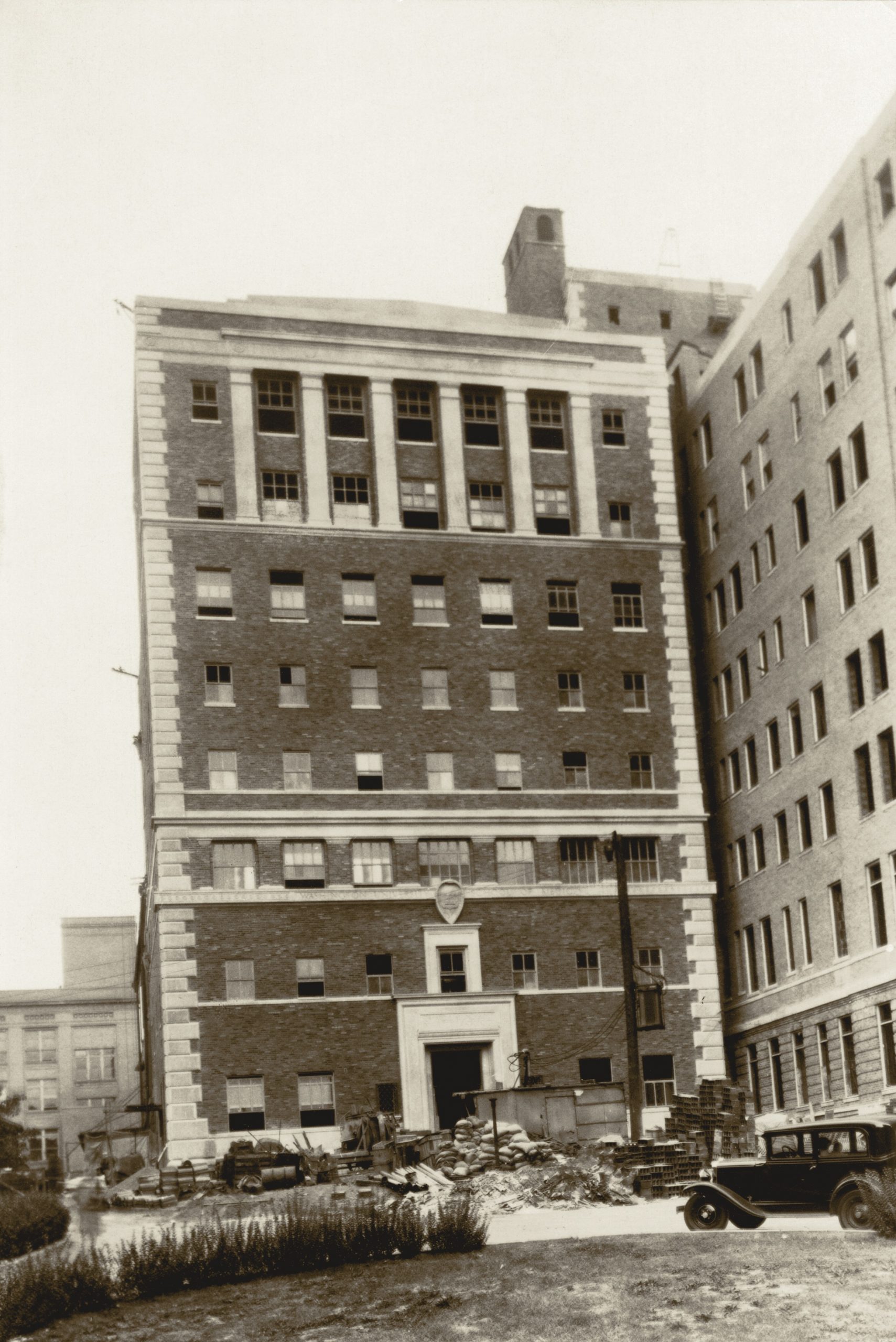
The move also signifies the end of an era that began nearly a century ago, when local businessman and philanthropist Edward Mallinckrodt Jr. provided a substantial endowment to construct a world-class center for radiological research and patient care. When the original building opened in early 1931, it was one of the first dedicated institutes of its kind in the U.S. Sherwood Moore, MD, a 1905 graduate of WashU Medicine, was appointed as the inaugural director — leading a team of four radiologists and a single physicist.
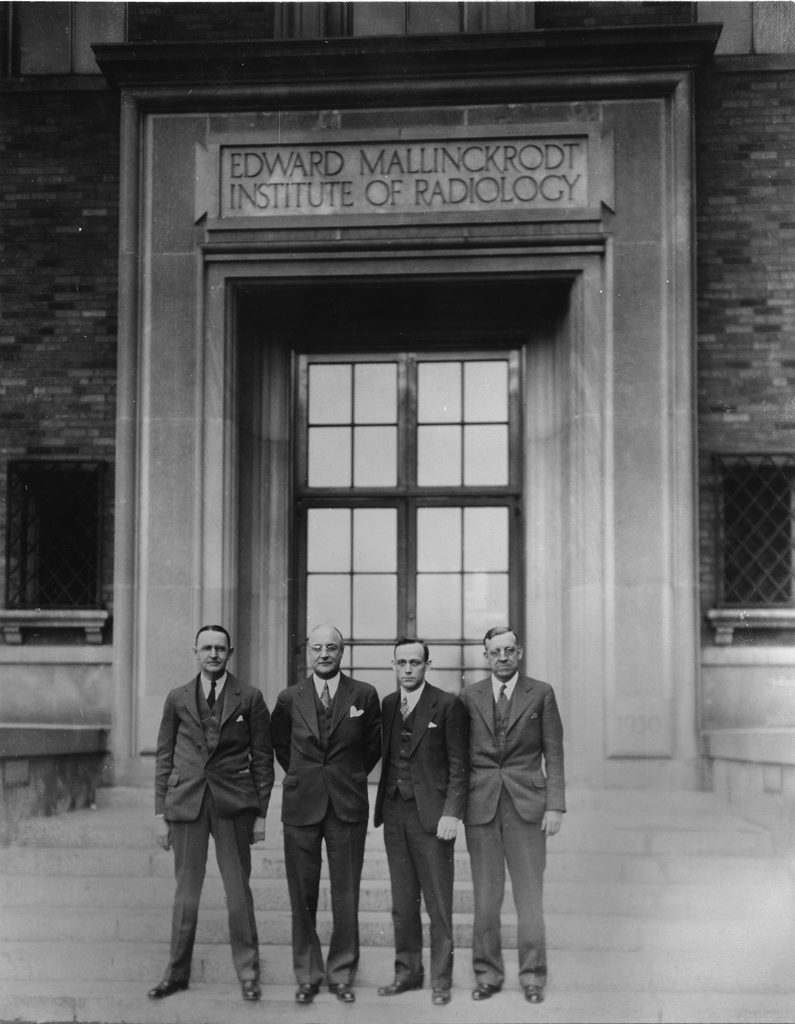
Prior to construction, Moore was tasked with surveying top radiological departments in Maryland, Pennsylvania, New York, Michigan, Ohio and Illinois to identify best design practices. Relying heavily on Moore’s input, the architectural firm of Jamieson and Spearl drew up preliminary sketches for an eight-story building. The layout, designed to be easily modified, initially included office space, a classroom, a urology lab, a gastrointestinal unit, animal research space and storage vaults for X-ray film.
Here We Grow
In 1968, to accommodate the rapid growth of radiological sciences and the subsequent need for more research space, four additional floors were constructed on top of the original building, bringing the tower to its current 12 stories. Three years later, MIR appointed a new chair: Ronald G. Evens, MD, a 31-year-old radiologist just one year out of his nuclear medicine residency. Evens, who led the department for nearly three decades, oversaw significant structural transitions. “For quite a while, the first five floors were clinical, and floors six through 12 were used for research, offices and animal facilities,” said Evens, professor emeritus of radiology. “As radiology grew, over a period from 1980 and 1990, all floors became clinical, and research facilities moved to other buildings.”
While MIR eventually expanded to occupy nearly 200,000 square feet across multiple buildings, the 12-story tower — often referred to as Mallinckrodt Tower — remained its heart. For decades, residency candidates touring MIR consistently expressed shock at the size and scope of the tower.
“In 1993, when I was starting my fourth year of medical school at Columbia in New York, a friend’s mother told me I had to look at a radiology program in St. Louis,” said Sanjeev Bhalla, MD, chief of cardiothoracic imaging at MIR. “Coming from New York City, where radiology often seemed like an afterthought in the hospital labyrinths, I was amazed to see this structure in the heart of the medical campus.” Bhalla was sold on MIR and went on to complete a diagnostic radiology residency (’99) and a cardiothoracic imaging fellowship (’00), eventually stepping in as vice chair for education to guide future generations of radiologists through their MIR journey.
Modern Times
Despite adapting to the evolving needs of clinical radiology over the decades, certain challenges became increasingly insurmountable. Limited floor weight capacity and restricted access hindered the installation of modern imaging machinery. Infrastructure issues and difficulties with patient ingress and egress further signaled that it was time for a change. Enter Plaza West Tower. Conceived by BJC Health and opened in October 2025, the 16-story patient care tower features 224 private inpatient rooms, 56 private intensive care unit rooms and a new home for MIR’s south campus clinical operations.
“Moving came up at various times over the years,” said Vincent M. Mellnick, MD, vice chair of academic practice. “We saw the new tower as an opportunity to modernize our radiology department. It just made sense.”
“We saw the new tower as an opportunity to modernize our radiology department. It just made sense.”
A standout feature of Plaza West Tower is its advanced imaging capabilities, including dedicated radiology floors equipped with MRI, CT, ultrasound and X-ray technology. This includes the addition of photon-counting CT scanners, which allow for more flexible imaging protocols and faster, higher-resolution imaging. The increased capacity helps shorten wait times, and patients benefit from lower radiation doses during exams. The upgrades also improve the workflow of many of MIR’s subspecialty sections, but perhaps the most evident change in operations is in interventional radiology.
If You Build It, They Will Come
The partnership between architectural firm Jamieson and Spearl and the famed Mallinckrodt family transcended a mere business arrangement. This decades-long collaboration profoundly shaped a cohesive aesthetic that defined the family’s private estate, their medical contributions and the fabric of the Washington University campus.
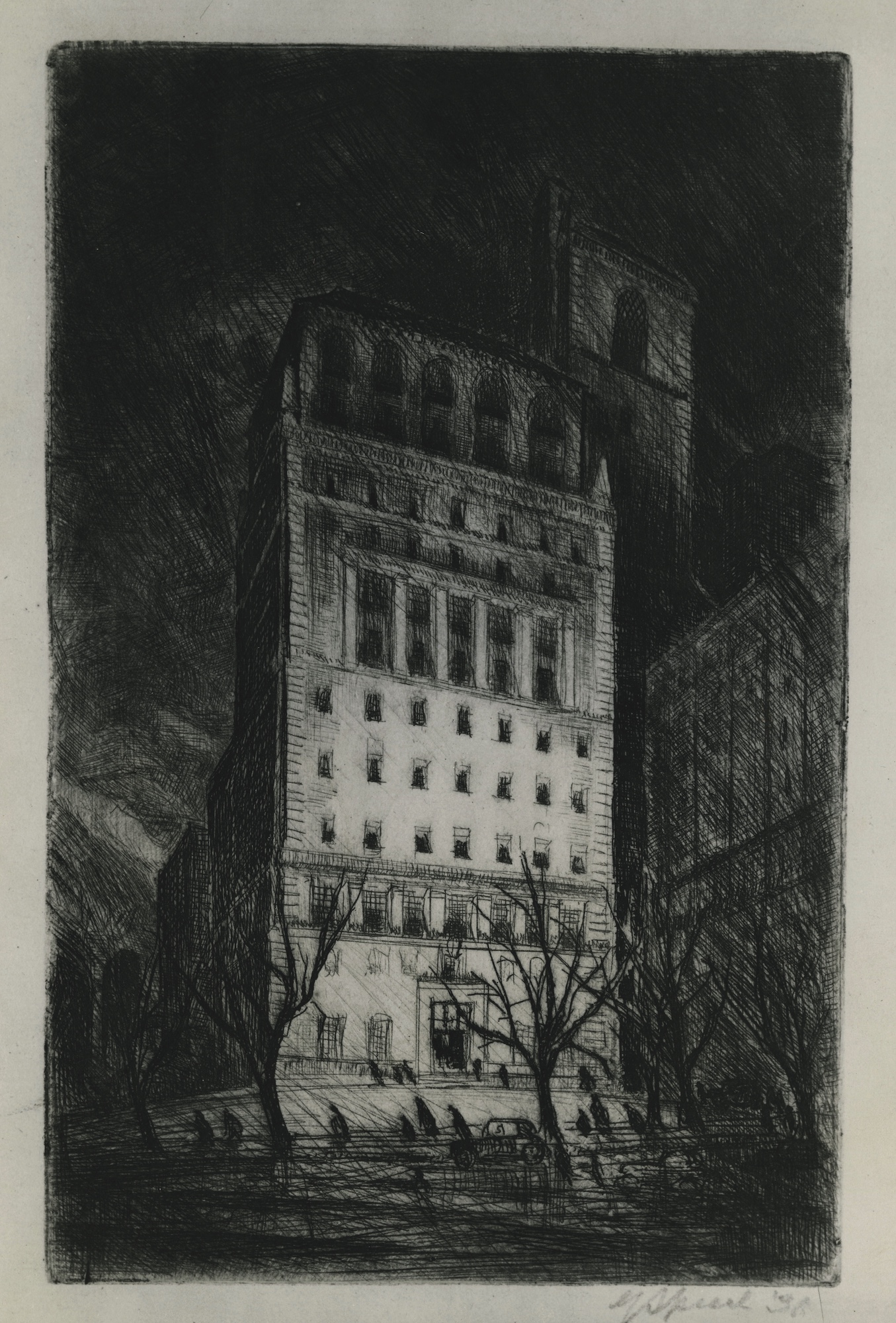
As the unofficial WashU architects, by 1930 James P. Jamieson and George Spearl were the natural choice to design the original Mallinckrodt Institute of Radiology. The project presented a challenge: create a structure that evoked the grandeur of an academic cathedral while functioning with the precision of a high-tech physics lab. To accommodate the groundbreaking science within, the design had to seamlessly integrate massive lead shielding and specialized ventilation for early X-ray equipment behind a traditional stone façade.
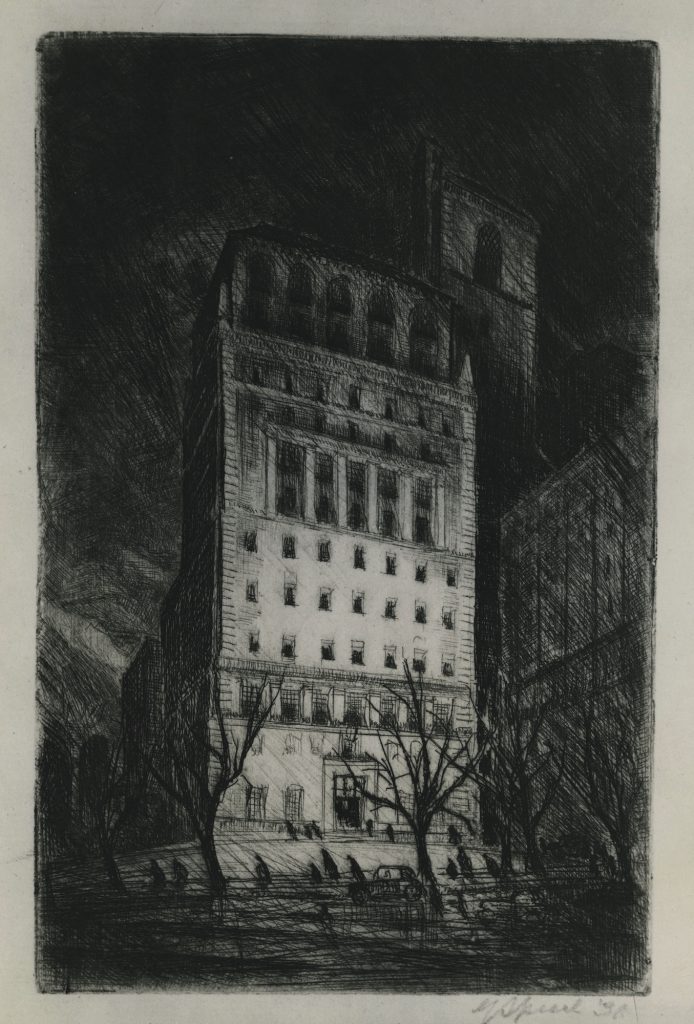
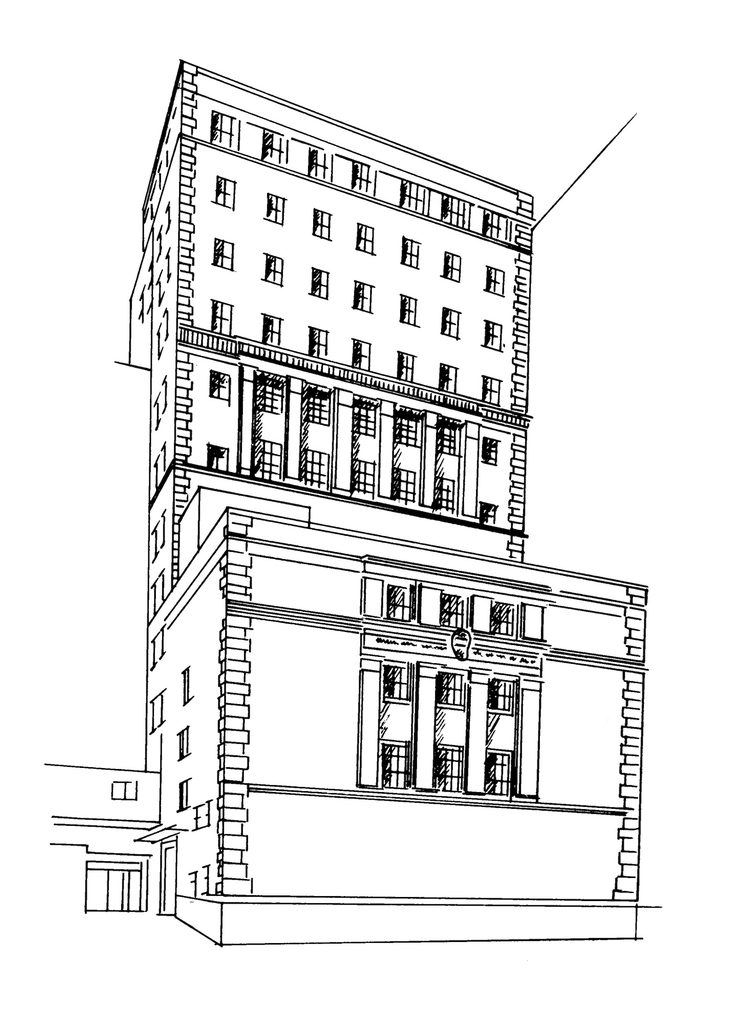 The MIR tower design balanced academic grandeur with the precision of a high-tech physics lab.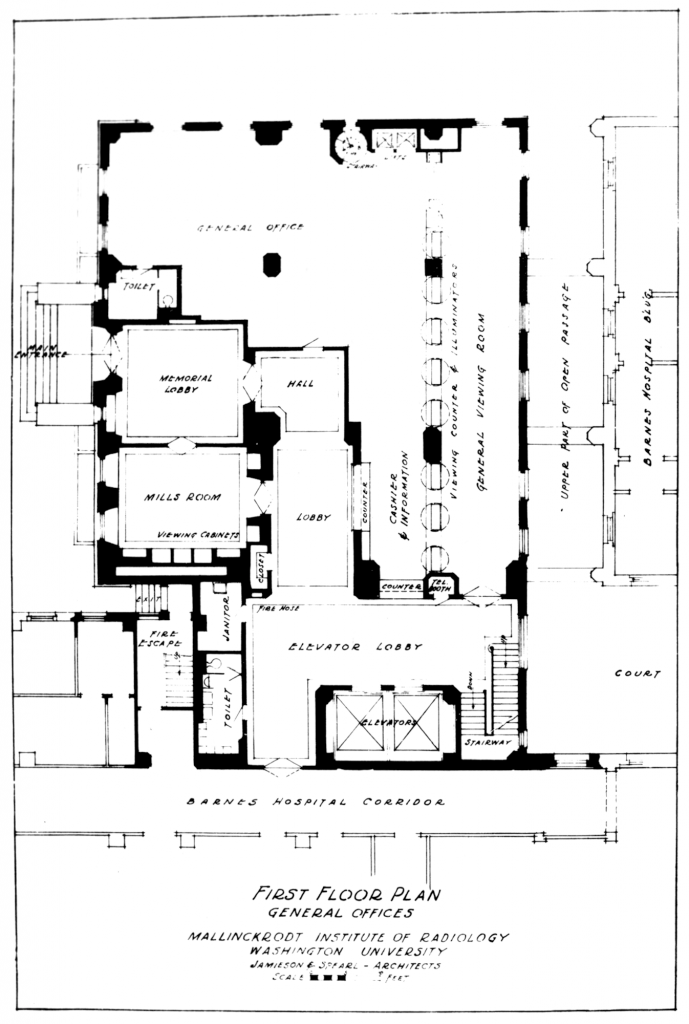
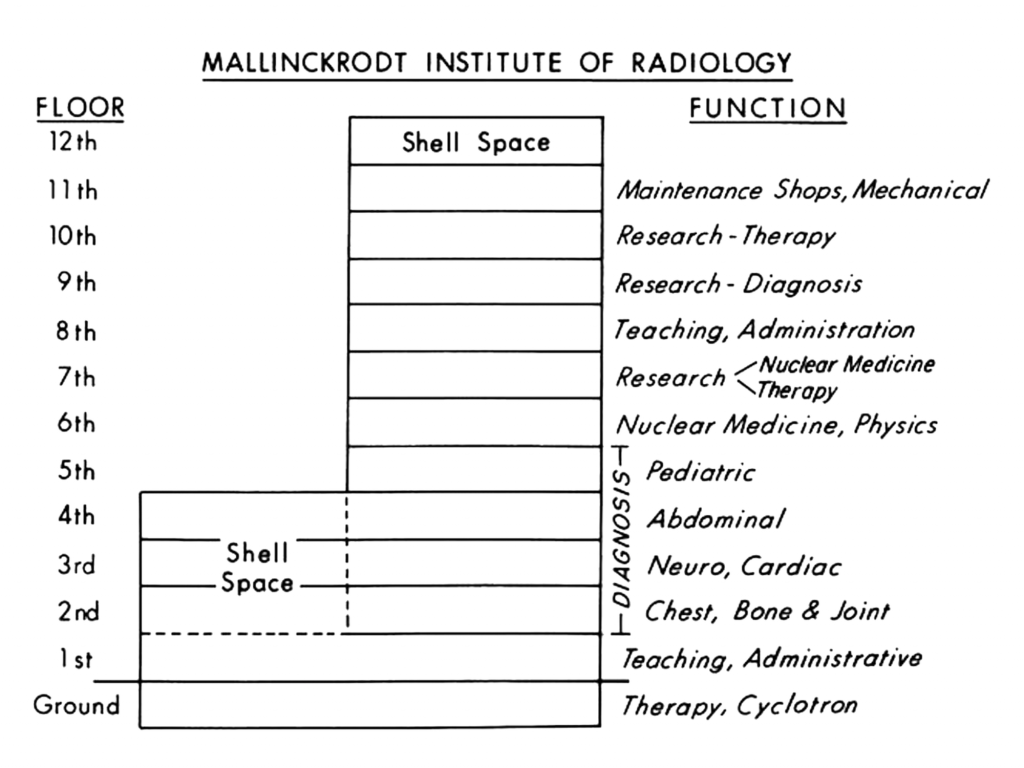 Initially an eight-story structure, the tower was built so that four more floors could be added later.
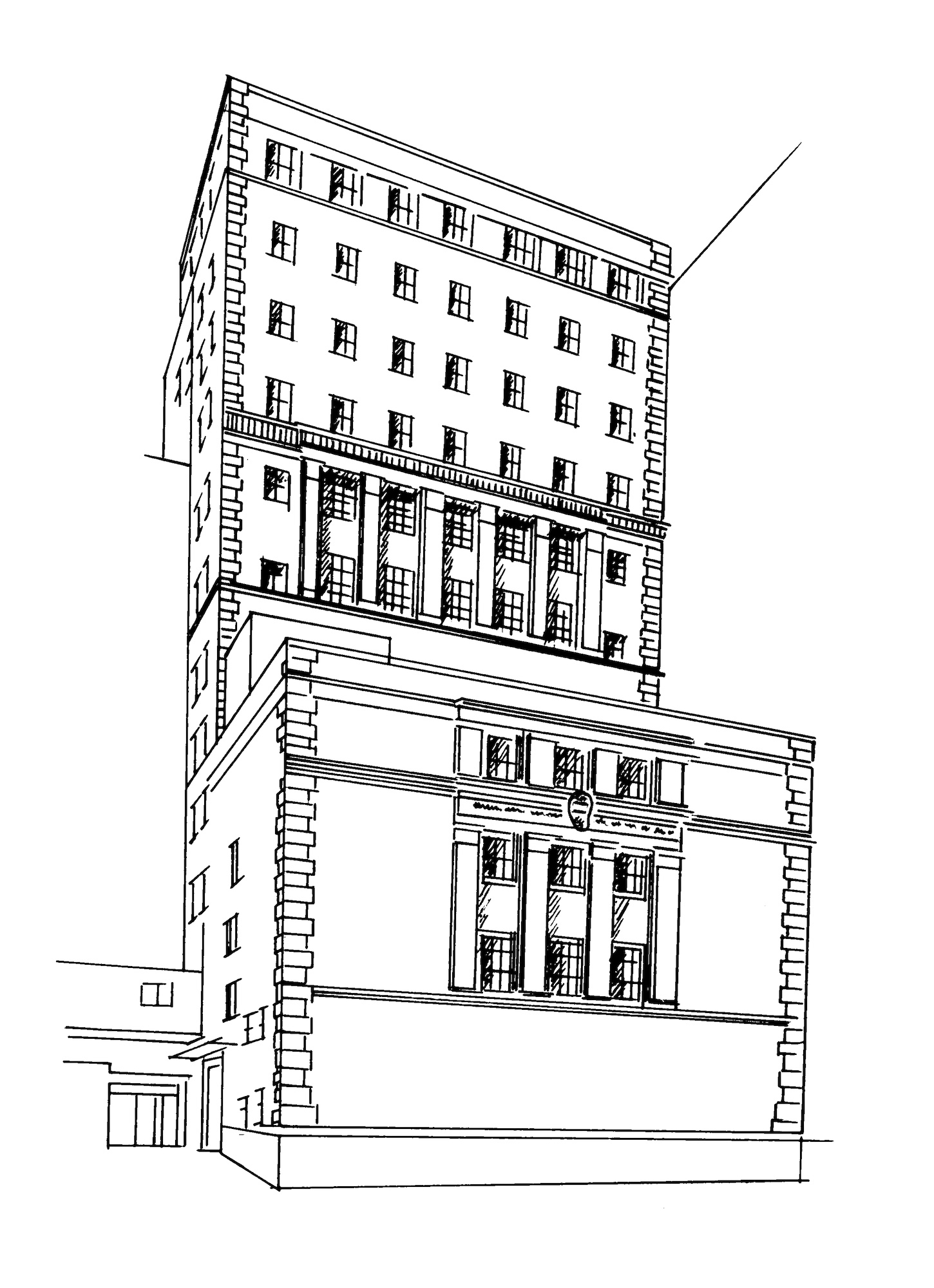
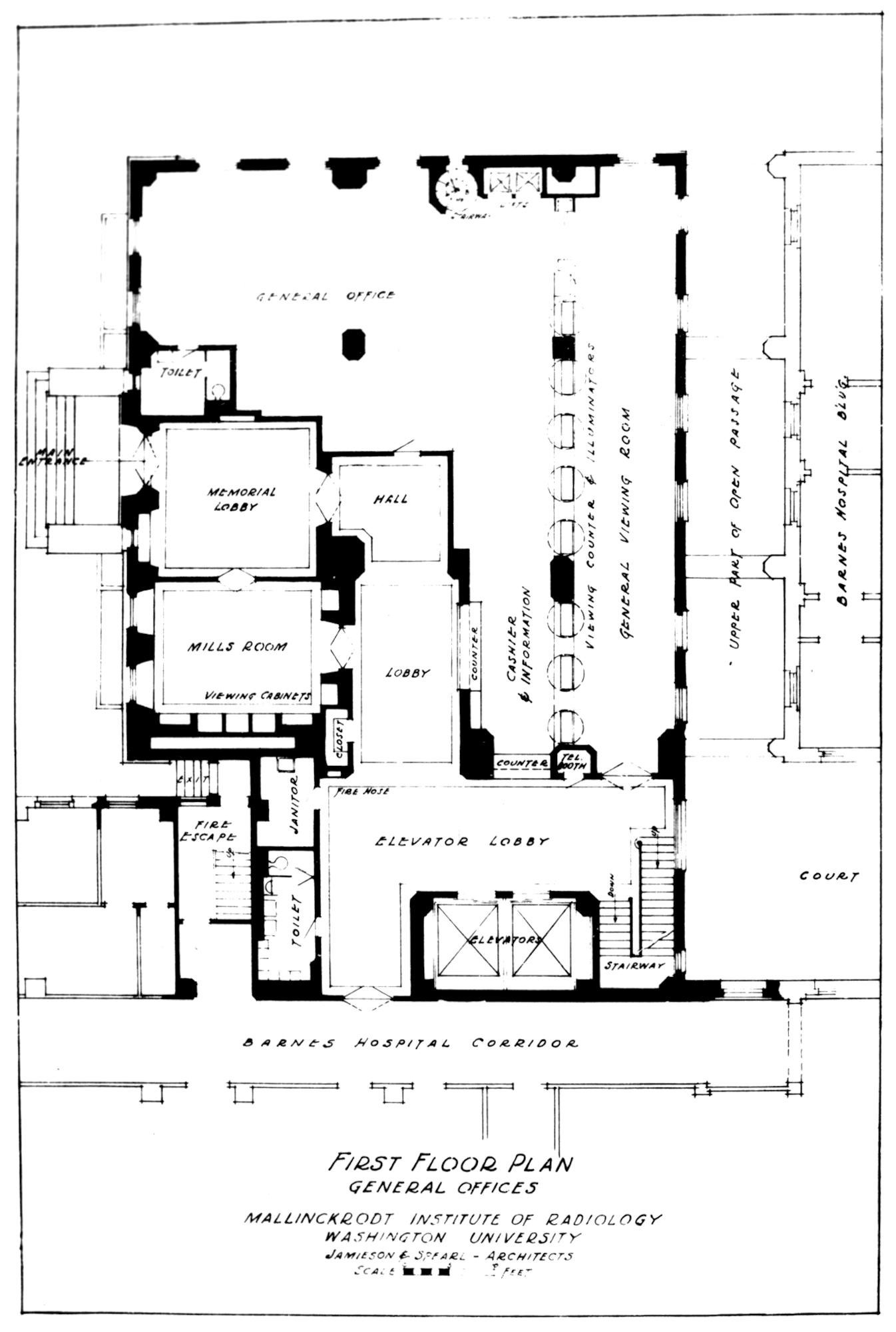
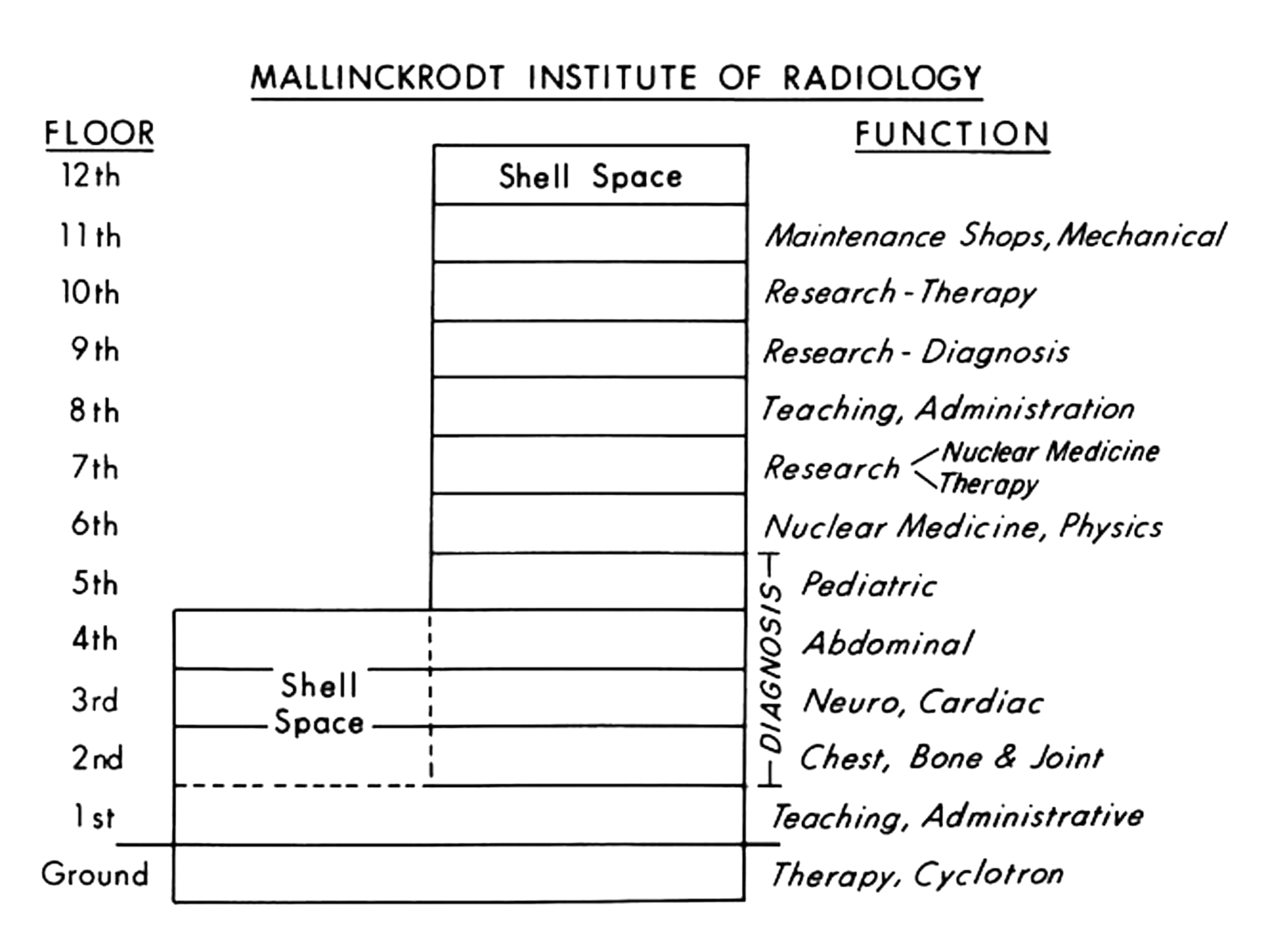
While many of Jamieson and Spearl’s other campus projects embraced a pure Collegiate Gothic style, the MIR building utilized a more restrained, vertical version of the aesthetic to better fit the dense constraints of the medical campus. The design maintained the firm’s signature look: Missouri red granite accented with limestone trim. And in a display of engineering foresight, the eight-story Mallinckrodt Tower included a reinforced structure specifically built to support future growth. This ultimately allowed for the successful four-story expansion in 1968, bringing the building to its final height of 12 floors.
Up, Up and Away
In 1972, UK-based music and electronics company EMI Limited introduced the first computed tomography (CT) scanner, a revolutionary new technology developed by research engineer Sir Godfrey Hounsfield. By 1975, the technology was improving dramatically, and the applications were expanding beyond brain imaging, with three new whole-body scanners en route in the U.S.: one to Mayo Clinic in Rochester, another to Massachusetts General Hospital in Boston and a third to MIR.
For then-chair Ronald G. Evens, MD, the scanner was the realization of a bold vision. “We had the most research funds of any radiology department in the country,” Evens said. “But the first to install this machine would have a historic advantage, so the race was on.”
The new machine was delivered to the Mallinckrodt Tower basement, but it was too big to fit into the building’s 1930s elevator.
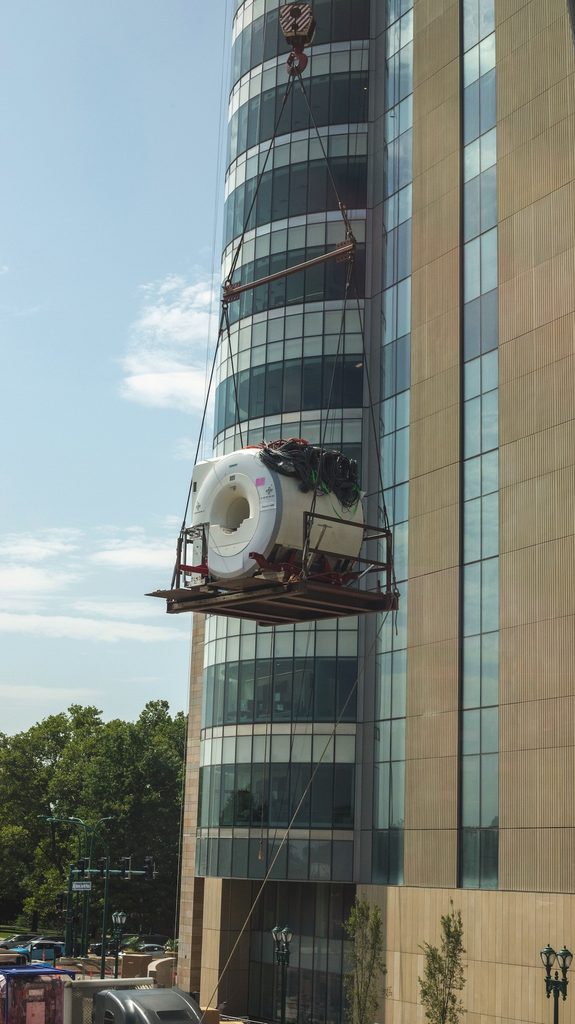
“What could we do?” Evens recalled. Hounsfield, who had traveled to St. Louis to help supervise the installation of the scanner, “suggested renting a crane and pulling it up to the sixth floor.”
The legacy of that installation remains visible today in the form of an oversized window on the western wall of Mallinckrodt Tower — a permanent architectural reminder of the day MIR won the scanner lift race.
Lifting the scanner was only part of the solution. Getting it inside the building meant cutting a hole in the wall big enough to accommodate the equipment. With a crane at the ready and the opening clear, the machine was hoisted up and carefully placed into a specially reinforced suite. In that moment, MIR became the first U.S. site to install this whole-body scanner — providing a jump-start to scan patients and eventually publish foundational CT scanning reference papers. “All because we were able to get the machine in faster,” Evens said.
Home Suite Home
By the late 1980s, interventional radiology (IR) had solidified as a distinct specialty at MIR, and in 1987, Daniel D. Picus, MD, became the section’s first chief. Under Picus’ leadership, IR evolved from specializing in a select few procedures to a robust clinical specialty.
“For IR, the biggest challenge was absolutely the elevators,” Picus recalled. “Every patient that came to IR on the eighth floor had to go up the elevators. Not only did this mean that the elevators were a scarce resource, but it also made it difficult for critically ill patients to access IR services.” The section eventually moved to the 4th floor, giving the radiologists direct access to inpatients. Unfortunately, that meant everyone had to share what Picus described as a “miniature reading room.”
Plaza West Tower features advanced imaging technology, expanded capacity and dedicated floors for MRI, CT, ultrasound and X-ray, improving subspecialty workflows and reducing wait times and radiation exposure for patients.
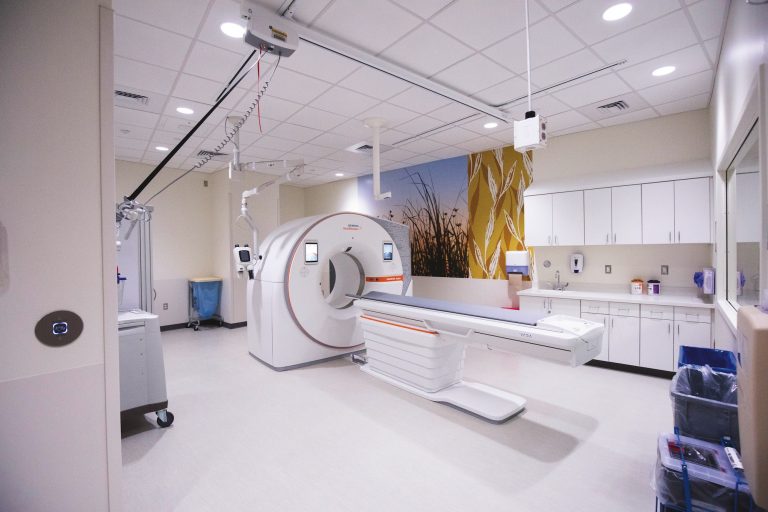
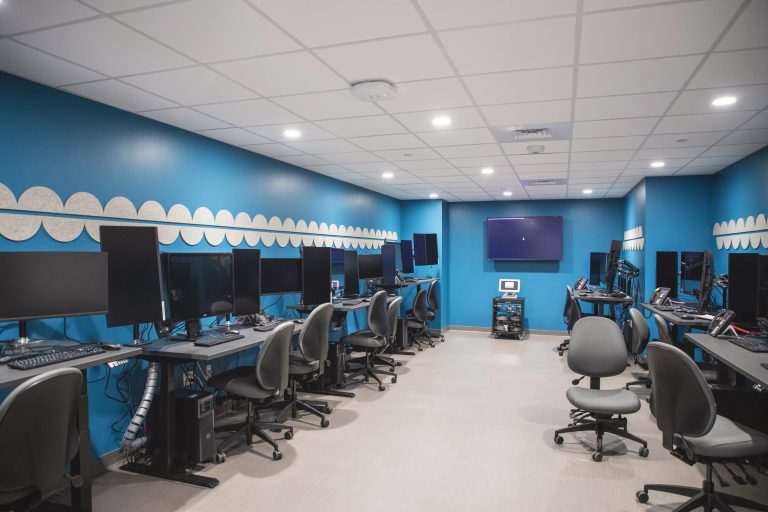
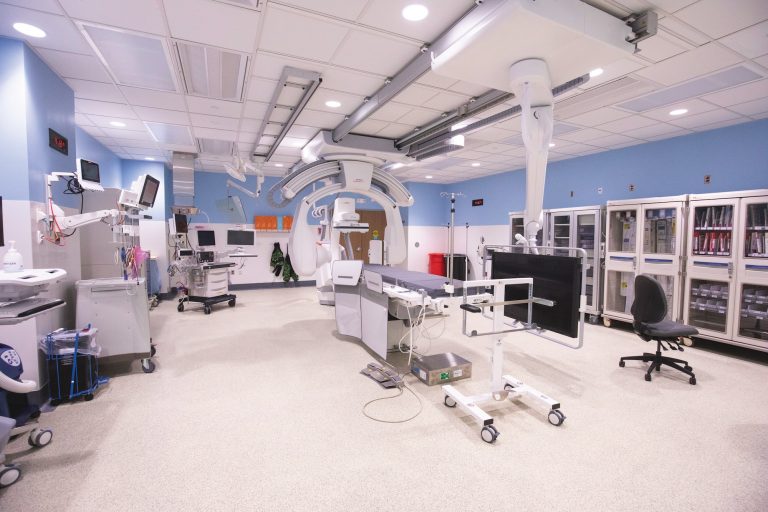
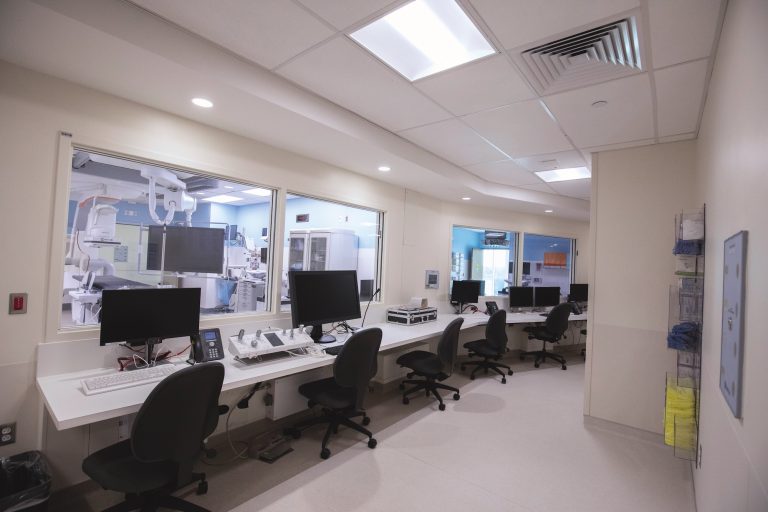
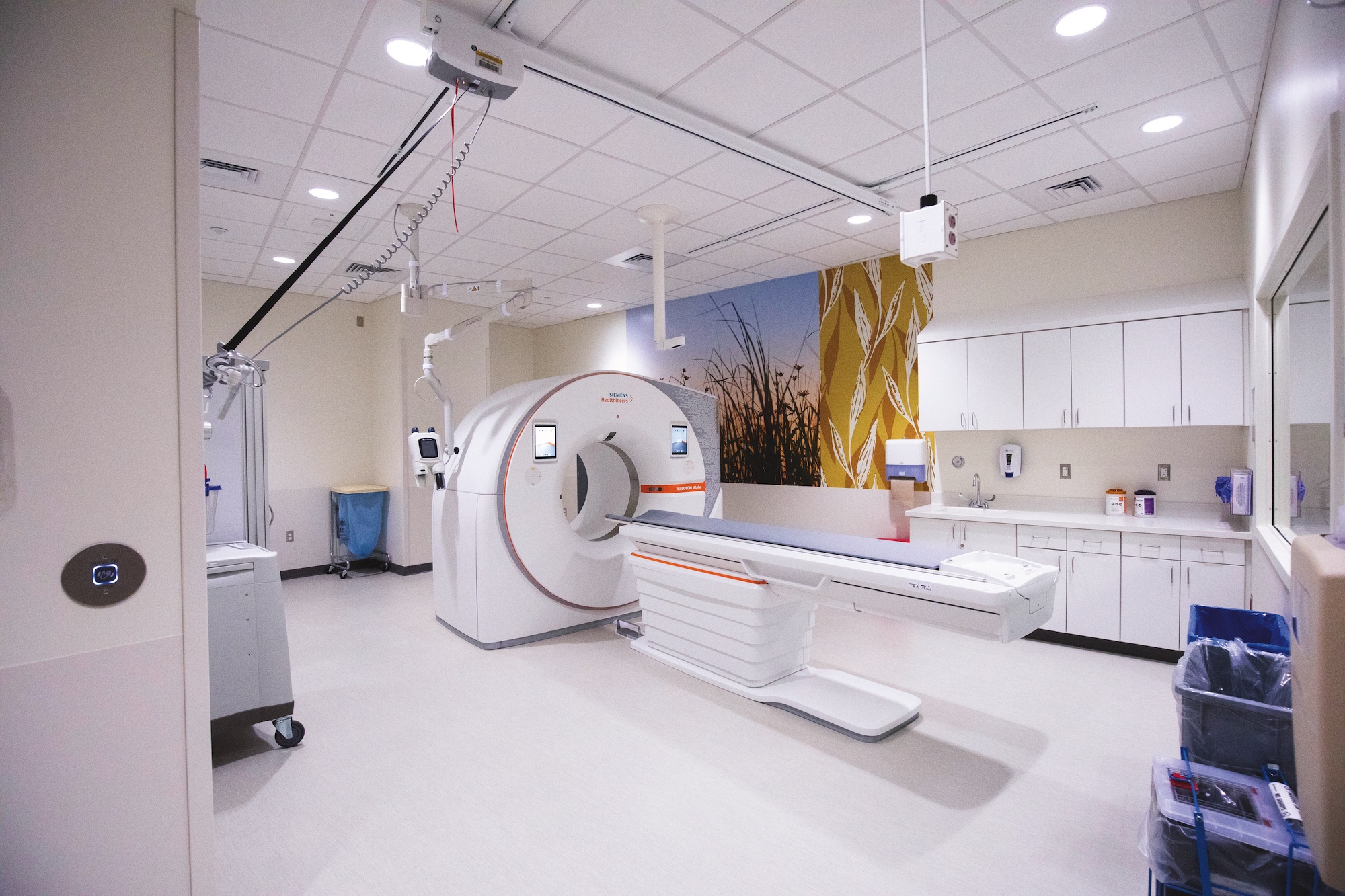
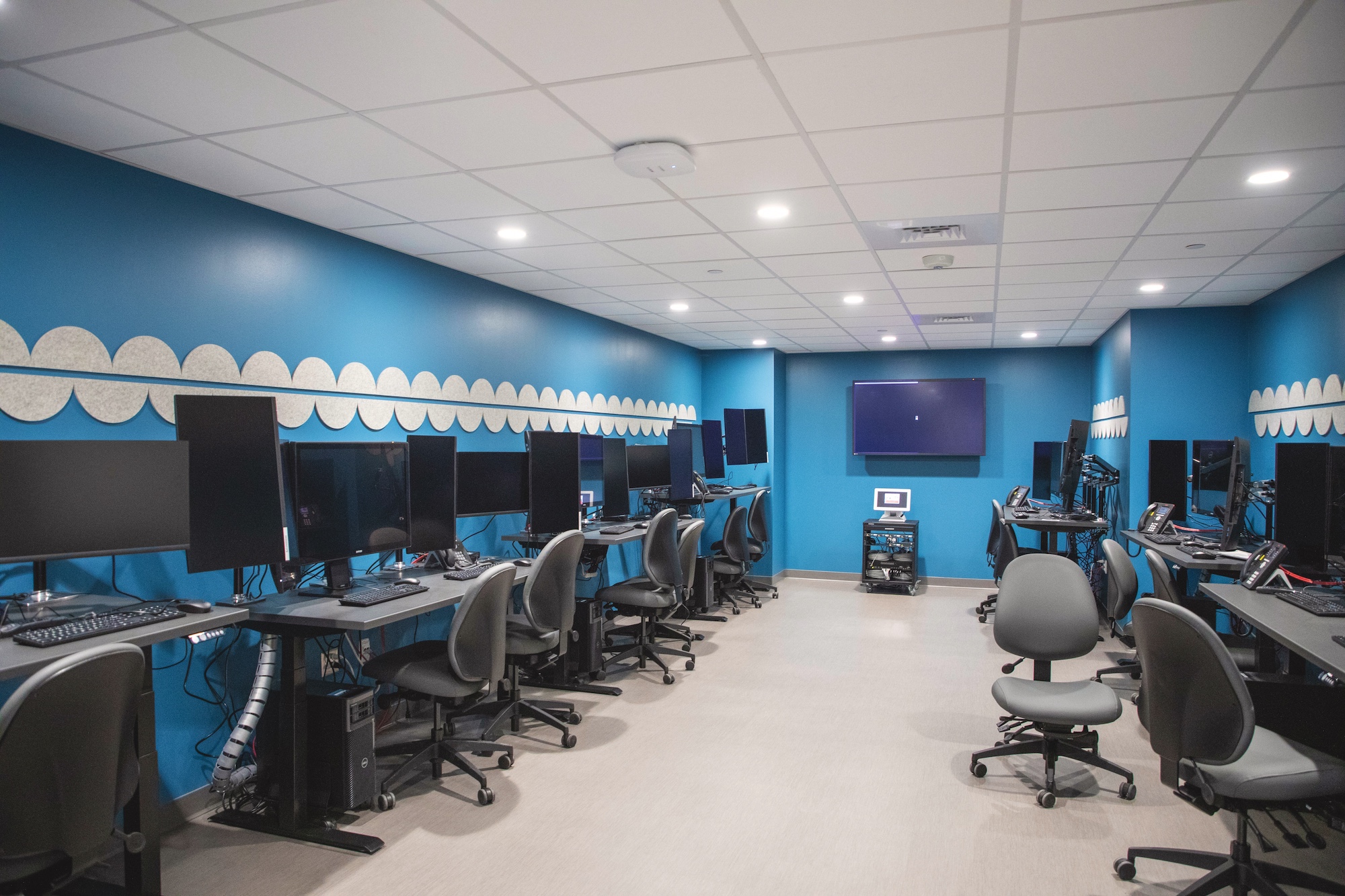
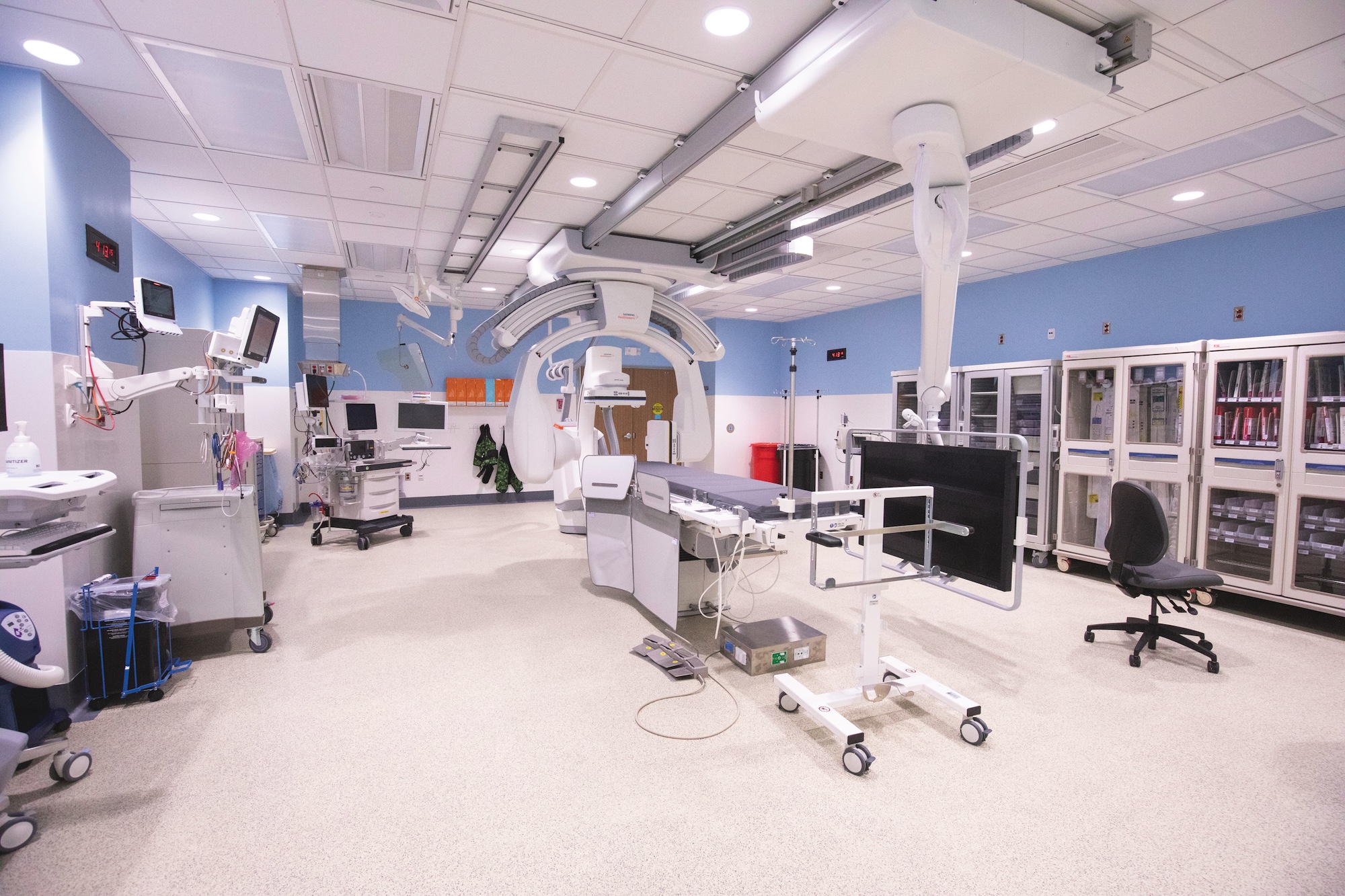
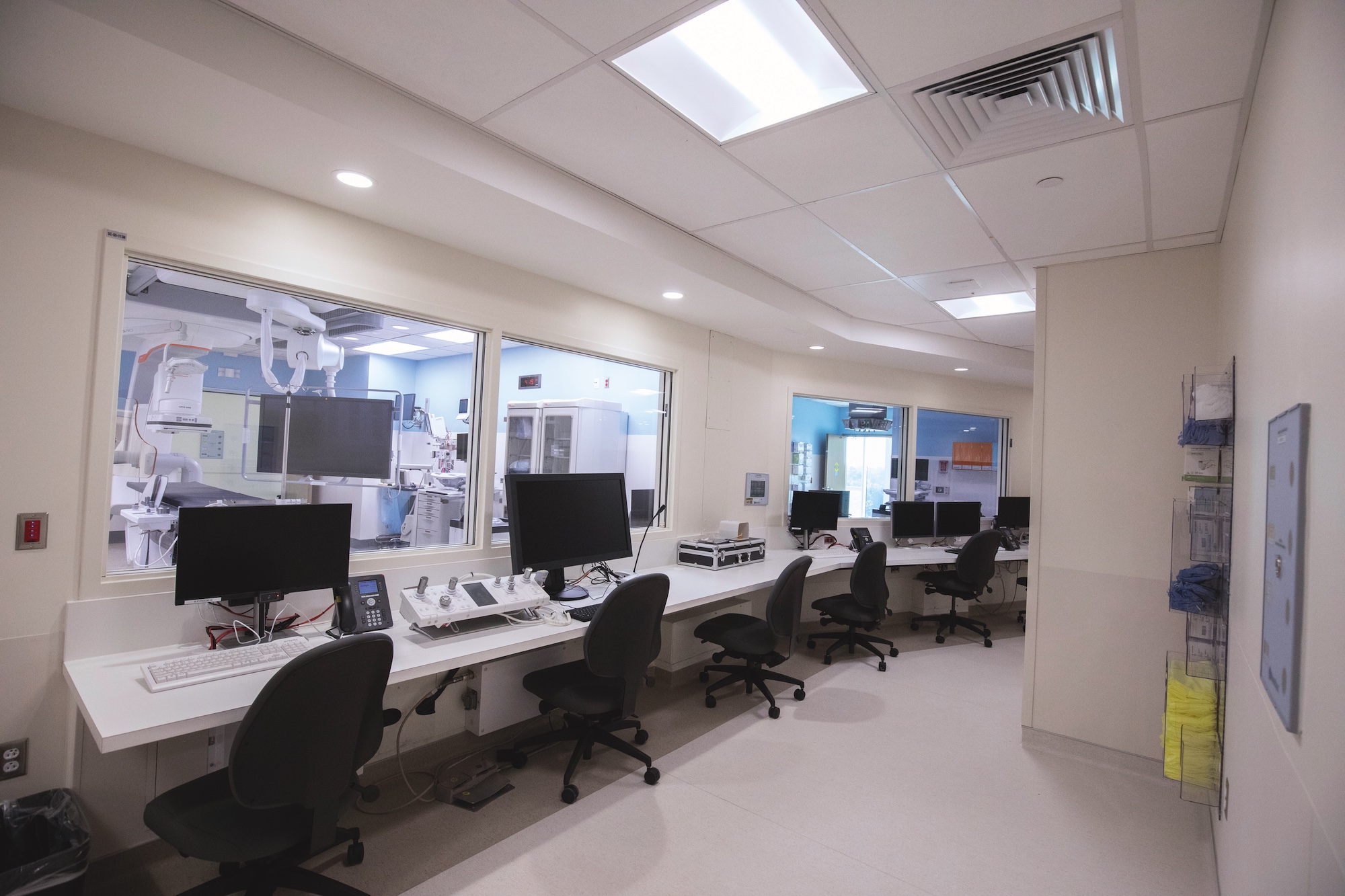
All of this is a far cry from the new IR space at Plaza West Tower, which features five state-of-the-art IR suites, two dedicated CT scanners and a central reading room. “I’m not aware of any IR section that has a better physical plant,” Picus said.
After nearly a hundred years, seven different department chairs and countless scanner lifts, Mallinckrodt Tower has passed the torch. But while one era has ended in this historic building, another is just beginning: one that includes a new physics section, dedicated ultrasound research facility and more. Stay tuned.
Published in Focal Spot Spring/Summer 2026 Issue