MIR Researchers Awarded $5 Million to Study Early Brain Development, Alzheimer’s Progression

Courtesy of Muriah Wheelock, PhD, and Brian Gordon, PhD
In the neuroscience community, there is a longstanding theory that the early neurological development mirrors neurological degeneration later in life. Researchers cite the “last in, first out” phenomenon, meaning that the brain regions that develop last are the first affected by neurodegenerative diseases such as Alzheimer’s.
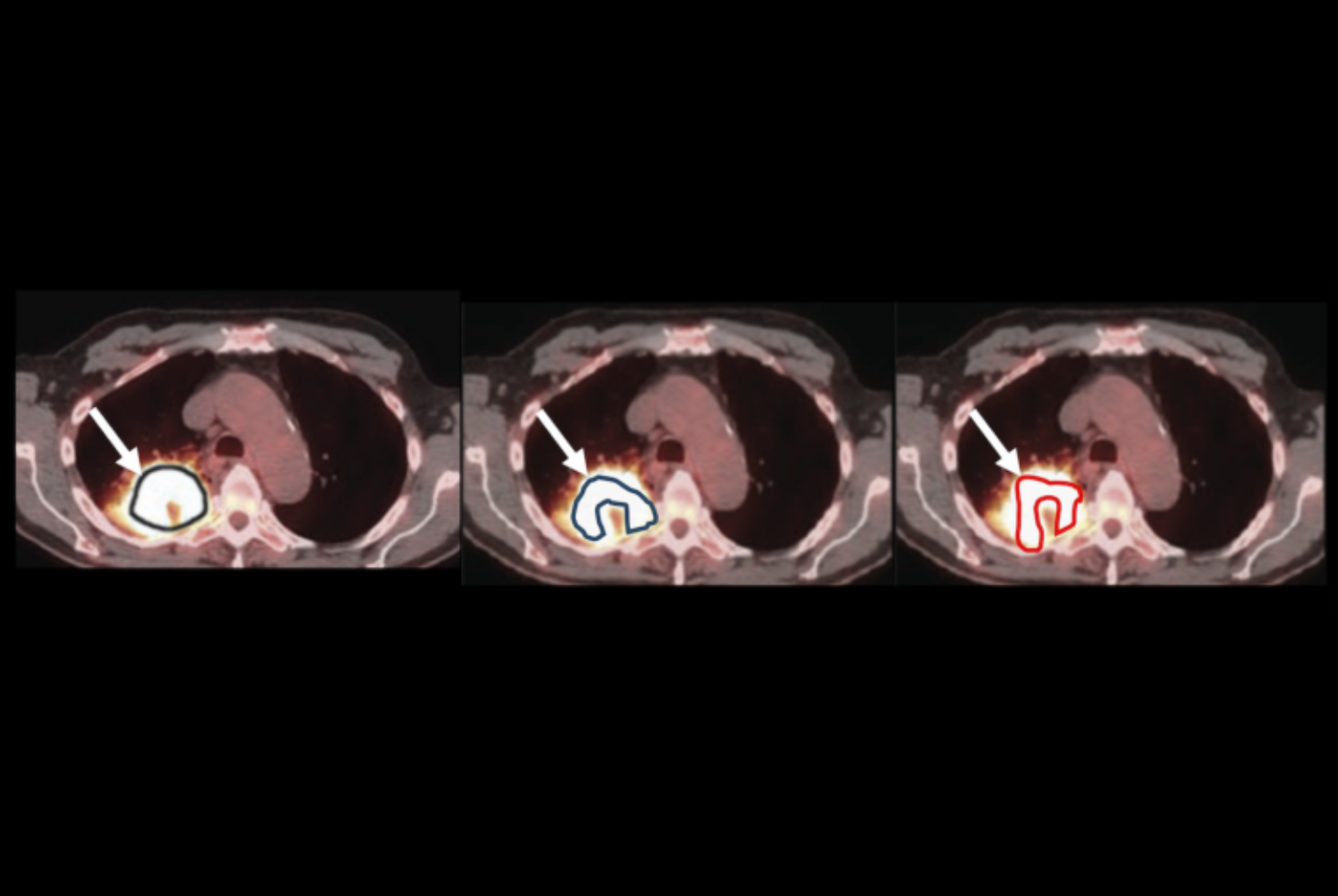
WashU Medicine Mallinckrodt Institute of Radiology researchers Muriah D. Wheelock, PhD, and Brian A. Gordon, PhD, were awarded a $5 million grant from the National Institute on Aging to scientifically quantify this theory. Wheelock, assistant professor of radiology, and Gordon, associate professor of radiology, both lead labs in MIR’s Neuroimaging Labs Research Center and will tap into their backgrounds in neurodevelopment and neurodegeneration to tackle the computationally complex project.
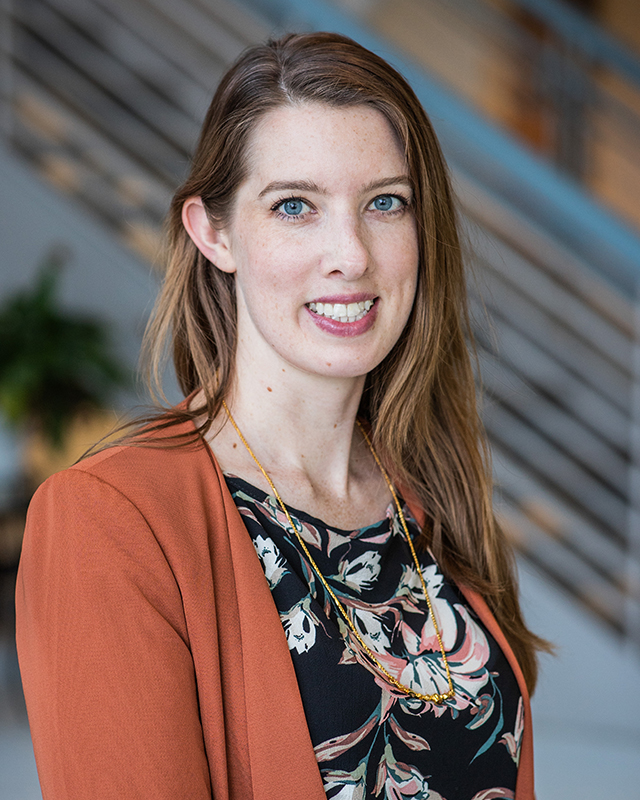
“Part of the reason this is an unknown area is that it is very technically complex to analyze brain imaging data from both very young and late-life patients, and also because the neurodevelopment and Alzheimer’s research communities don’t usually have the opportunity to communicate with each other,” said Wheelock in a WashU Medicine news release.
The team will lean on WashU Medicine’s collaborative culture to assess data across the whole lifespan — not only until young adulthood, which is typical for longitudinal early-life adversity and health studies. Ultimately, they hope to identify early-life interventions to mitigate stressors that could influence age-related diseases.
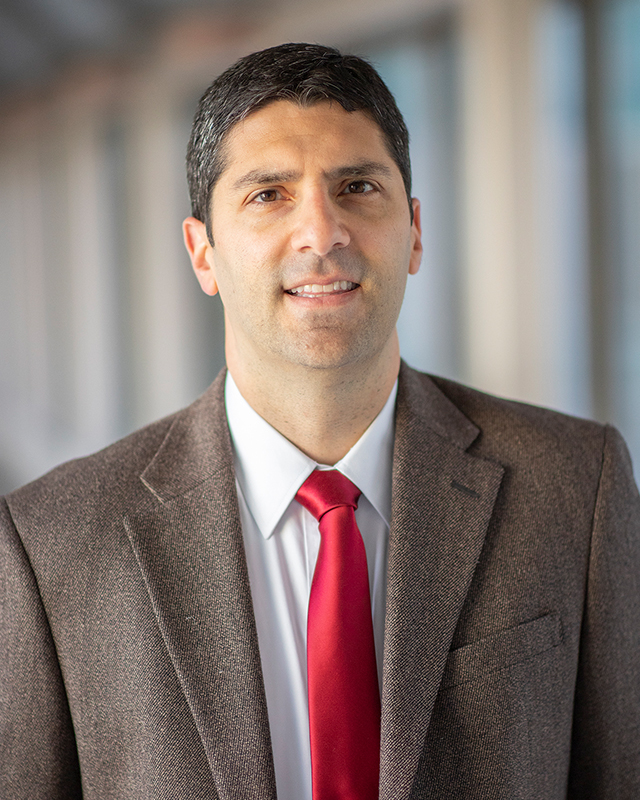
“The brain is much more plastic in that zero-to-two age range, so any intervention is magnified relative to any other point in life,” said Gordon in the release. “It’s still speculative that we could prevent or reduce Alzheimer’s disease with environmental changes in childhood, but we’re hoping to at least start that discussion.”
Learn more about the project and the fortuitous encounter that sparked it from WashU Medicine.