Alzheimer’s Researchers Weigh In on Evolving Funding Landscape for Crucial Network
Matt Miller/WashU Medicine
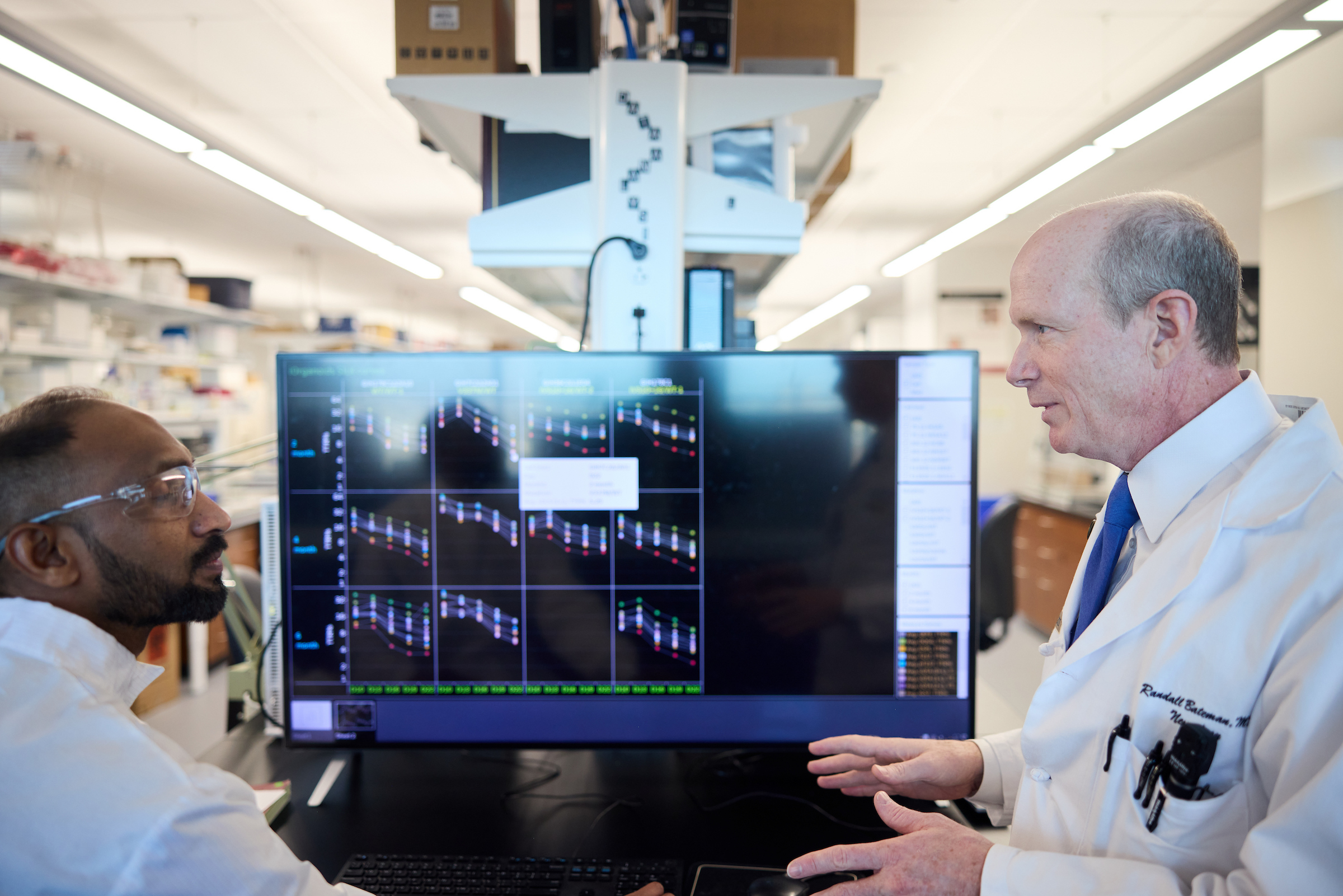
Dominantly Inherited Alzheimer’s disease (DIAD) is an early-onset form of Alzheimer’s caused by specific genetic mutations that make developing the disease almost certain. DIAD’s rarity and predictable progression motivated researchers to create the WashU Medicine Dominantly Inherited Alzheimer Network (DIAN) to pool resources and volunteer families that carry the mutations. Thanks to multimillion-dollar investments and the work of more than 200 families from around the globe, researchers have made key discoveries about how Alzheimer’s begins and supported clinical trials testing potential therapies. Despite these advances, recent federal funding cuts now threaten the future of DIAN and the research it makes possible.
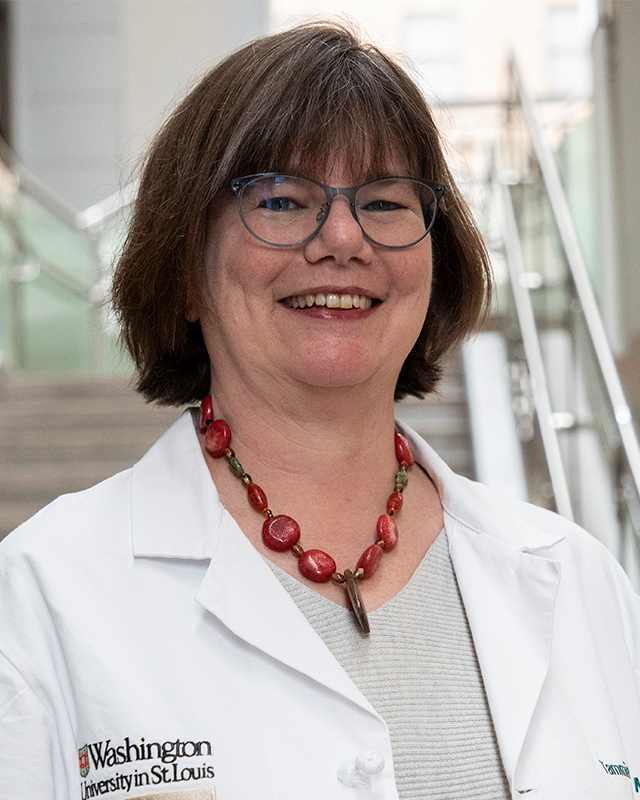
Tammie L.S. Benzinger, MD, PhD, the Hugh Monroe Wilson Professor of Radiology and principal investigator in the Neuroimaging Labs Research Center, appeared on NPR’s “All Things Considered” alongside Randall Bateman, MD, the Charles F. & Joanne Knight Distinguished Professor of Neurology and DIAN co-director, to discuss the impact of the network and the risks posed by reduced funding. Benzinger emphasized the potential consequences of funding disruptions, noting that decades of progress could be lost: “Without funding, all of that would fall apart.”
The Benzinger Lab serves as the imaging core for DIAN, as well as for the Knight Alzheimer’s Disease Research Center, international studies of DIAD, and the DIAN Therapeutic Unit. These efforts are deeply interconnected, supporting both discovery and clinical application.
To learn more about the discussion and the future of Alzheimer’s research, listen to the full interview on NPR’s “All Things Considered.”