2026 PET-RTRC Scientific Session Explores Inflammation-Oxidative Stress
Leading imaging experts and innovators from varied disciplines will discuss their work at this year’s PET-RTRC Scientific Session on Thursday, Feb. 19, 2026. If you’re interested in learning more or registering for the annual event, register online or email Michelle Hoelscher.
Scientific Session Topic: Inflammation-Oxidative Stress
Platelet Mitochondria: A Translational Tool and Hub of Redox Signaling

Plenary Speaker
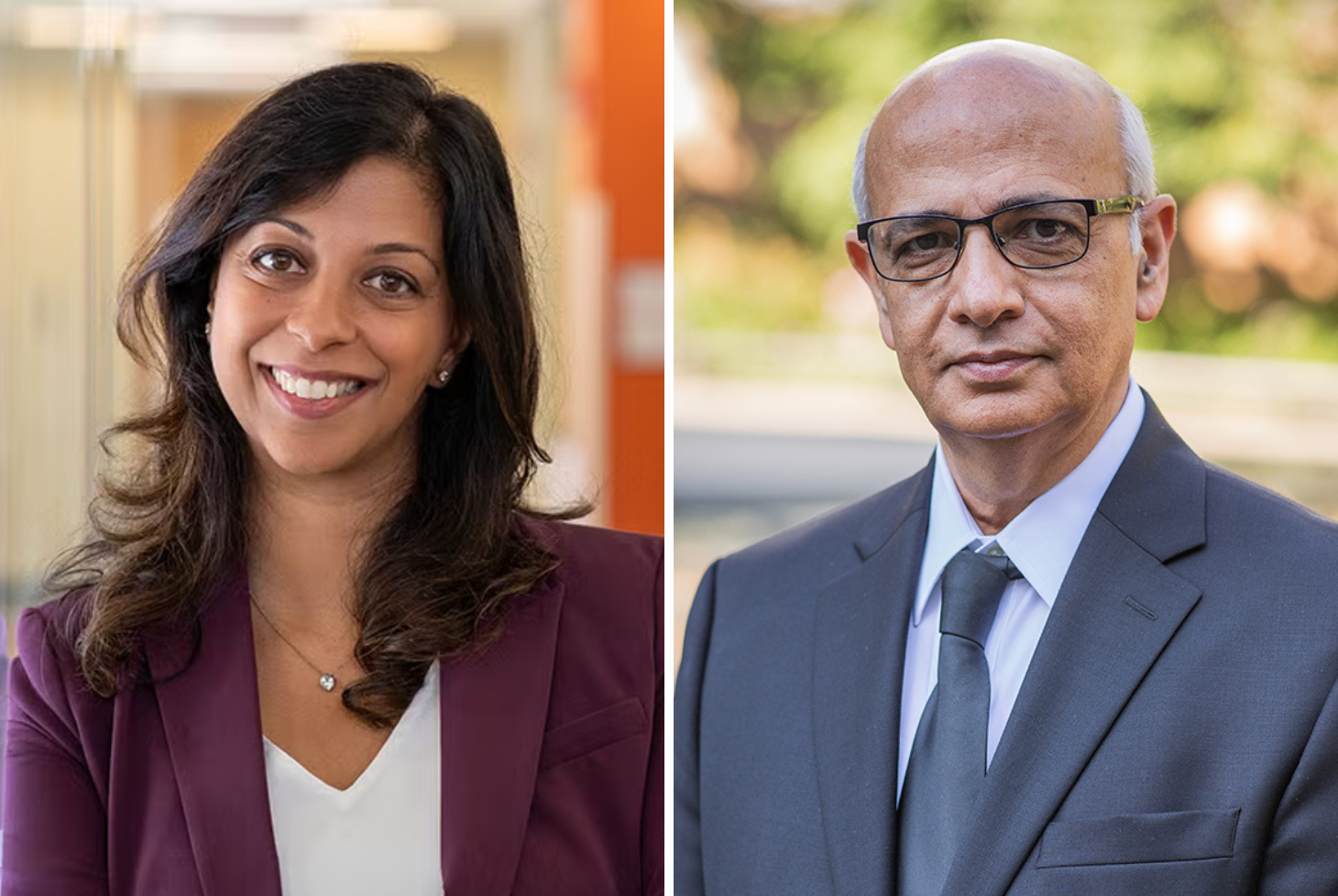
Sruti Shiva, PhD
Professor of Medicine
Vice Chair, Basic and Translational Research
University of Pittsburgh School of Medicine
Scientific Director, Hemophilia Center of Western Pennsylvania
Sruti Shiva, PhD, is a professor of medicine at University of Pittsburgh School of Medicine, where she serves as vice chair for basic and translational research for the Department of Medicine. She is the founding director of the Center for Metabolism & Mitochondrial Medicine and she serves as the scientific director of the Hemophilia Center of Western Pennsylvania.
Her research focuses on elucidating the mechanisms by which reactive oxygen and nitrogen species regulate mitochondrial function and signaling, particularly in cardiovascular health and disease. She has been continually funded by the NIH and other foundations during her time at Pitt and has advanced the understanding of mitochondrial signaling and redox biology through more than 175 publications. In addition to her scientific interests, Shiva heads the Bioenergetics Facility in the Center for Metabolism and Mitochondrial Medicine and is a highly collaborative investigator. She is also dedicated to mentoring the next generation of scientists. She directs the Vascular Medicine Institute’s T32 Training Program and co-directs the Department of Medicine’s Postdoctoral Training Program.
Shiva earned her doctorate in cellular and molecular pathology from the University of Alabama at Birmingham and completed postdoctoral training at the NIH National Heart, Lung, and Blood Institute. She joined the Vascular Medicine Institute at the University of Pittsburgh as an assistant professor in 2008.
Targeting the NRF2 Pathway in Head & Neck Cancer
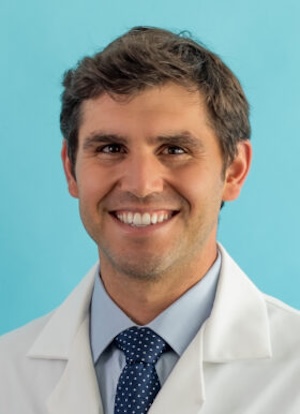
Paul Zolkind, MD
Assistant Professor of Otolaryngology
WashU Medicine
Paul Zolkind, MD, is an assistant professor of otalaryngology for WashU Medicine and also serves as chief of otolaryngology at John Cochran VA Medical Center. Zolkind is a head and neck expert who specializes in transoral robotic surgery and microvascular reconstruction. His research is working to better understand the molecular pathways that drive tumorigenesis and metastasis and identify how the interactions between the immune system and tumor cells can be harnessed through novel and combination immunotherapies to better treat cancer patients. Zolkind earned his medical degree from SUNY Downstate College of Medicine and completed his residency at WashU Medicine followed by a fellowship at Stanford University.
Design, Preclinical Validation and Translation of Metalloradiopharmaceuticals for Biomedical Imaging: A Tale of 2 Mitochondrial-Targeted Gals
Plenary Speaker
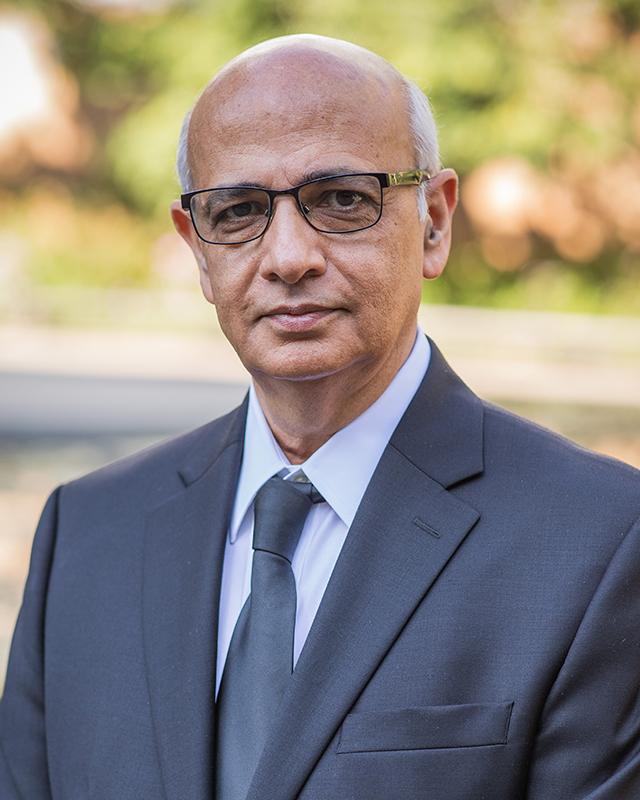
Vijay Sharma, PhD
Professor of Radiology, Neurology and Biomedical Engineering
WashU Medicine
Vijay Sharma, PhD, is a professor and director of the Summer Research Program at WashU Medicine Mallinckrodt Institute of Radiology (MIR). As the principal investigator in the Sharma Lab, he leads a team that designs and develops molecular imaging probes capable of interrogating important biochemical pathways across multiple disciplines. His research focuses on employing state-of-the-art rational drug design tools and the synthesis of small organic molecules, peptide conjugates and metalloprobes to interrogate important biological pathways and identify new biomarkers. Sharma earned his doctorate from Panjab University in Chandigarh, India.
Noninvasive Imaging of Neuroinflammation in Multiple Sclerosis
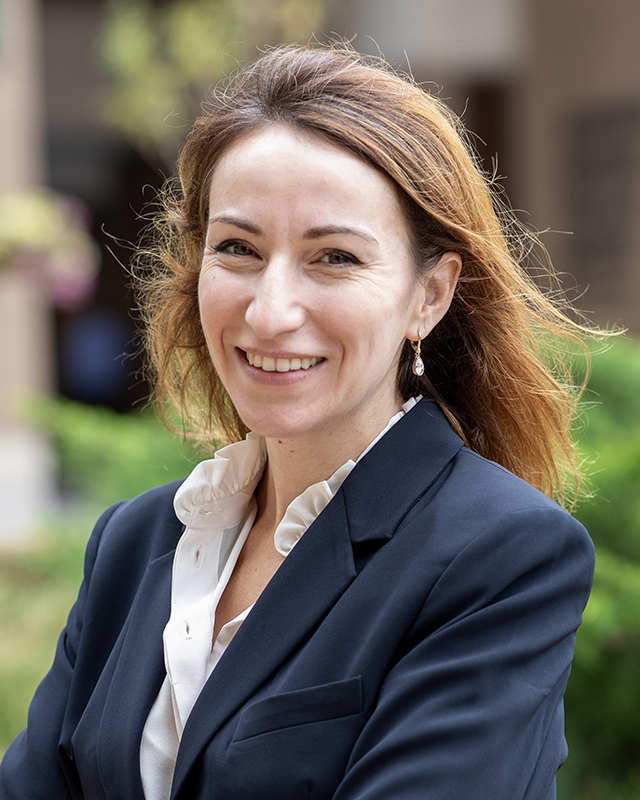
Caroline Guglielmetti, PhD
Assistant Professor of Radiology
WashU Medicine
Caroline Guglielmetti, PhD, is an assistant professor and a principal investigator in the Biomedical MR Center at WashU Medicine Mallinckrodt Institute of Radiology. Her research interests include noninvasive imaging methods to investigate the role of the immune system and glial cells in cerebral disorders. She employs a unique integration of methodologies, PET and hyperpolarized MRS, to tackle important questions in multiple sclerosis models as well as in other neurological disorders that may include Alzheimer’s disease and brain trauma. Guglielmetti earned a bachelor’s degree in biology/physiology and a master’s degree in neurosciences from the Université of Toulouse III in France. She earned her doctorate degree from Antwerp University in Belgium.