2026 Wang Neuroscience Lab Updates
The Wang Neuroscience Lab has had a busy and successful year, with several papers published in notable journals, new research funding secured and multiple honors recognizing the lab’s contributions to neuroscience. Among theses accomplishments, the team has also made time to build community outside of the lab.
Publications
Several papers have come from the Wang Lab this year, and have placed in notable publications.
- Runnan Cao, Shuo Wang, et al., Computational mechanisms transforming visual codes into sparse representations, Neuroscience & Biobehavioral Reviews, Volume 187, 2026, 106782, ISSN 0149-7634, DOI: 10.1016/j.neubiorev.2026.106782
- Jie Zhang et al., Computational neural dynamics of goal-directed visual attention in macaques. Sci. Adv. 12, eaed9004 (2026). DOI: 10.1126/sciadv.aed9004
- Runnan Cao, Zhang, J., Zheng, J. et al. Computational single-neuron mechanisms of visual object coding in the human temporal lobe. Nat Commun 17, 2234 (2026). DOI: 10.1038/s41467-026-68954-8
- Wang Y, Brunner P, Willie JT, Cao R, Wang S (2026) Characterization of the spatiotemporal representations of visual, semantic, and memorability features in the human brain. PLOS Biology 24(1): e3003614. DOI: 10.1371/journal.pbio.3003614
Grants and Awards
Wang received a $775,500 grant from the U.S. National Science Foundation’s Division of Behavioral and Cognitive Sciences for the Collaborative Research in Computational Neuroscience proposal, “Single-Neuron Computational Mechanisms of Visual Object Coding in the Human Brain.” The project aims to investigate how individual neurons in the human brain transform visual information into memories. Using single-neuron recordings, eye tracking and AI-based computational modeling in neurosurgical patients, the team will study how the brain represents objects and scenes, how these representations support memory, and how remembered context influences visual processing.
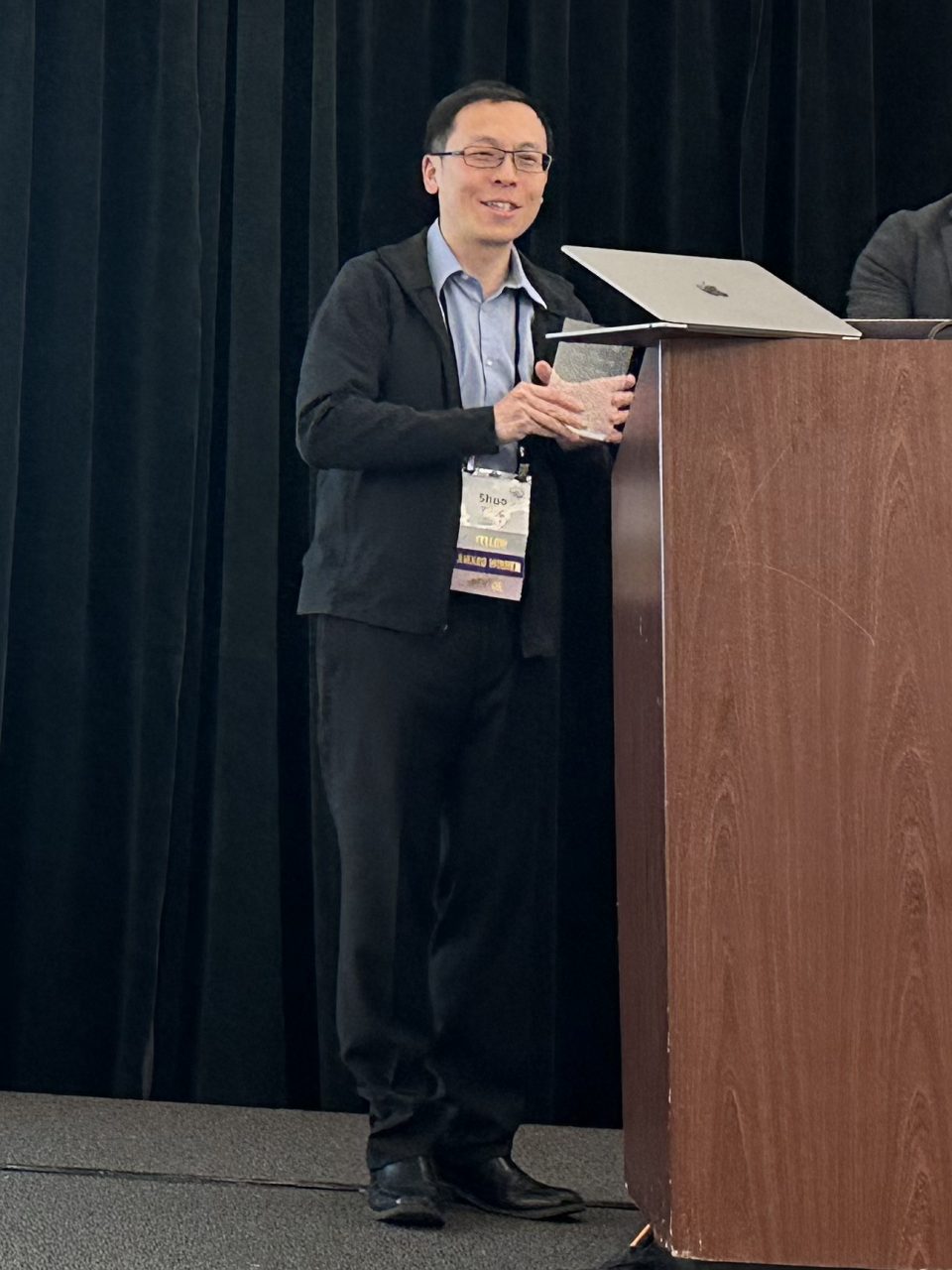
Wang also received two honors from the Social & Affective Neuroscience Society (SANS) — an inaugural fellowship and a Mid-Career Award. The SANS Fellowship recognizes members who have made exceptional and lasting contributions to the society and to the field of social and affective neuroscience. Fellows are nominated by members of the society and recognized for their contributions to advancing research, fostering collaboration, and strengthening the visibility and impact of social and affective neuroscience through scholarship, leadership, mentorship and service.
The Mid-Career Award recognizes an investigator who has made significant contributions to SANS and demonstrated outstanding scholarship and service to the field. Recipients receive a $500 honorarium, complimentary registration to the 2026 SANS annual conference in San Diego, and an invitation to deliver a short presentation. Wang presented “From Visual Features to Memory: Computational Single-Neuron Mechanisms of Face Representation in the Human Brain.”
Social Outings
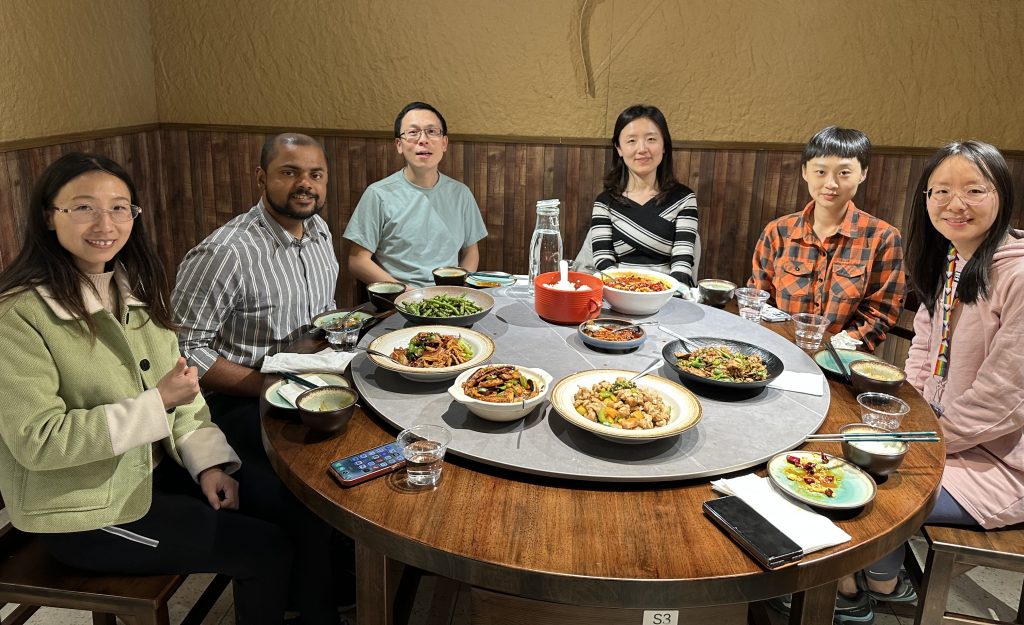
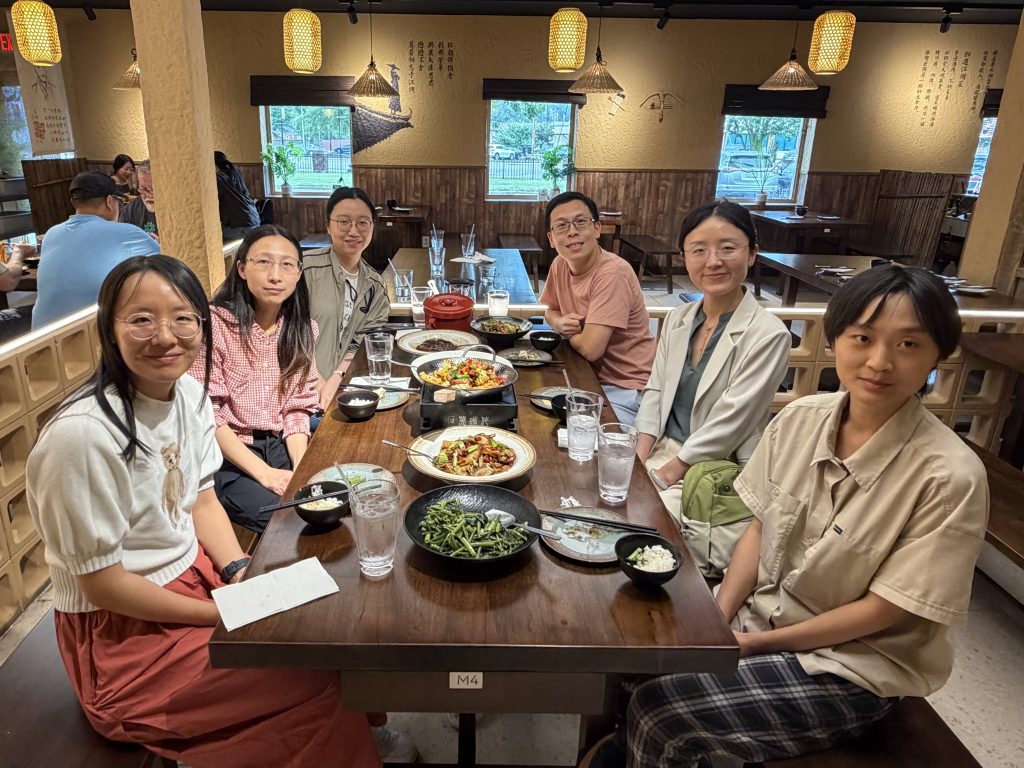
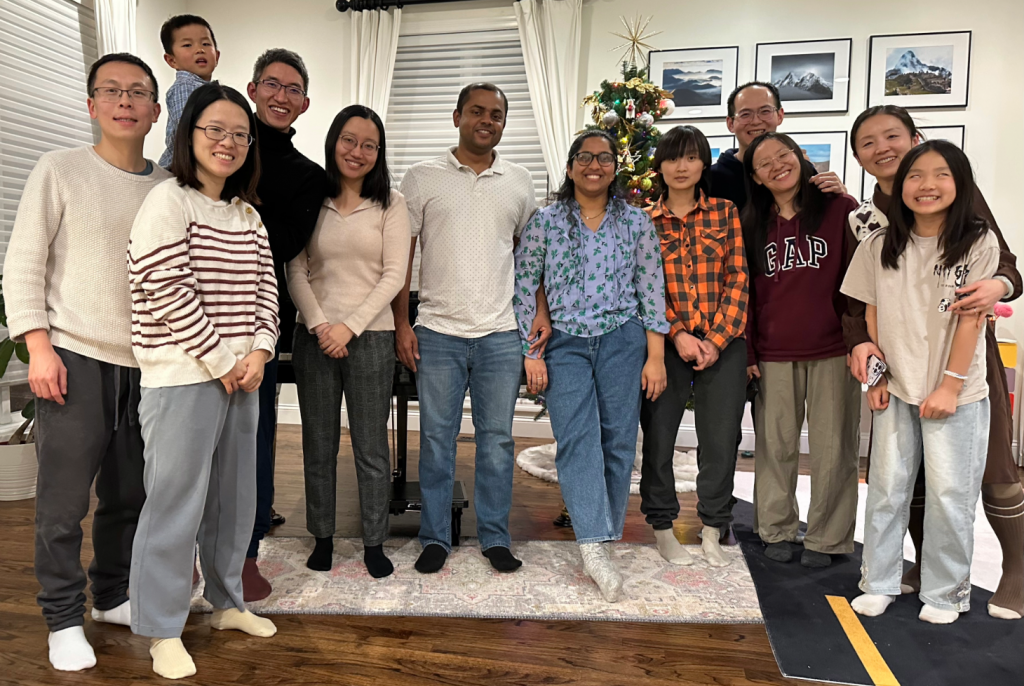
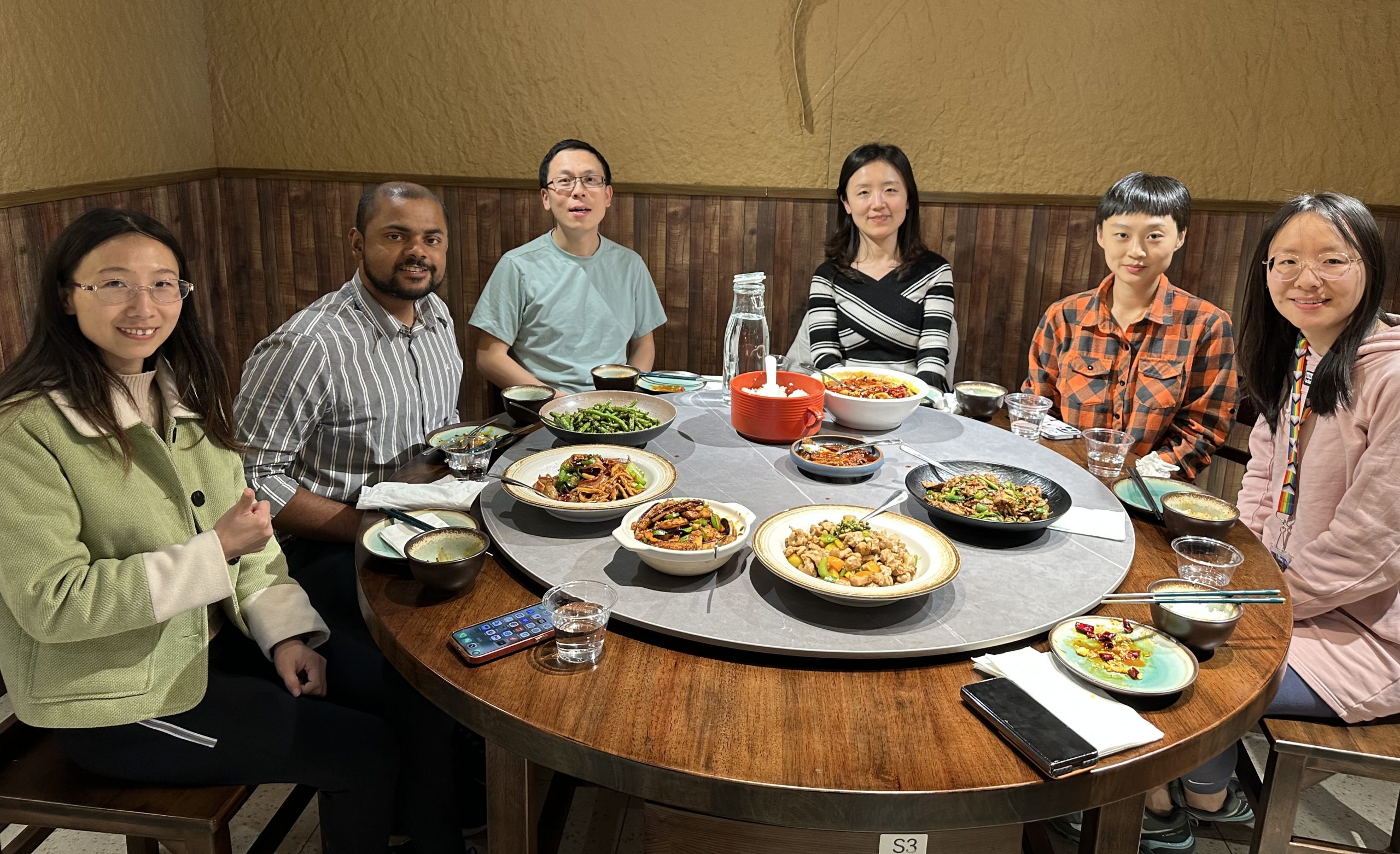
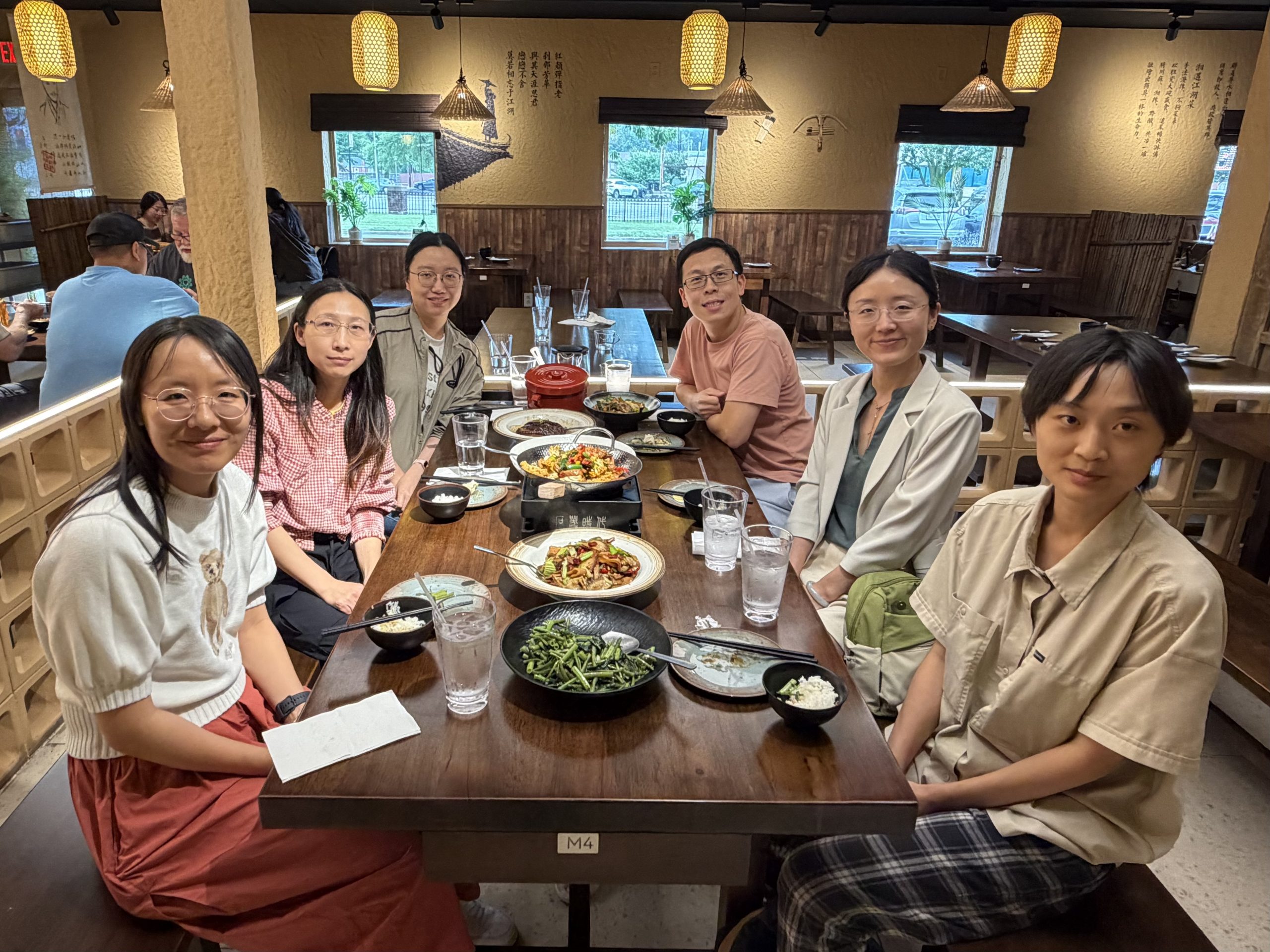
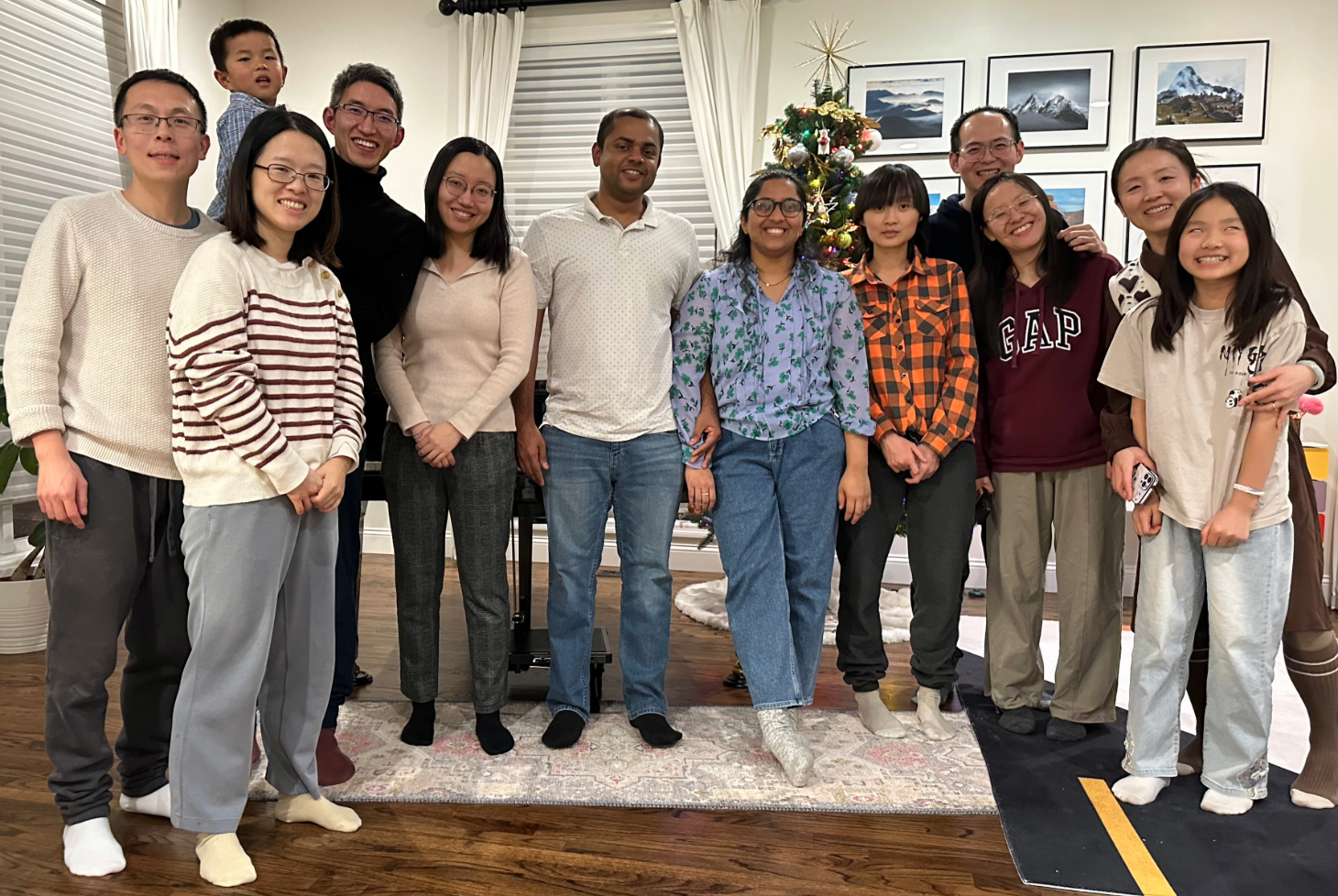
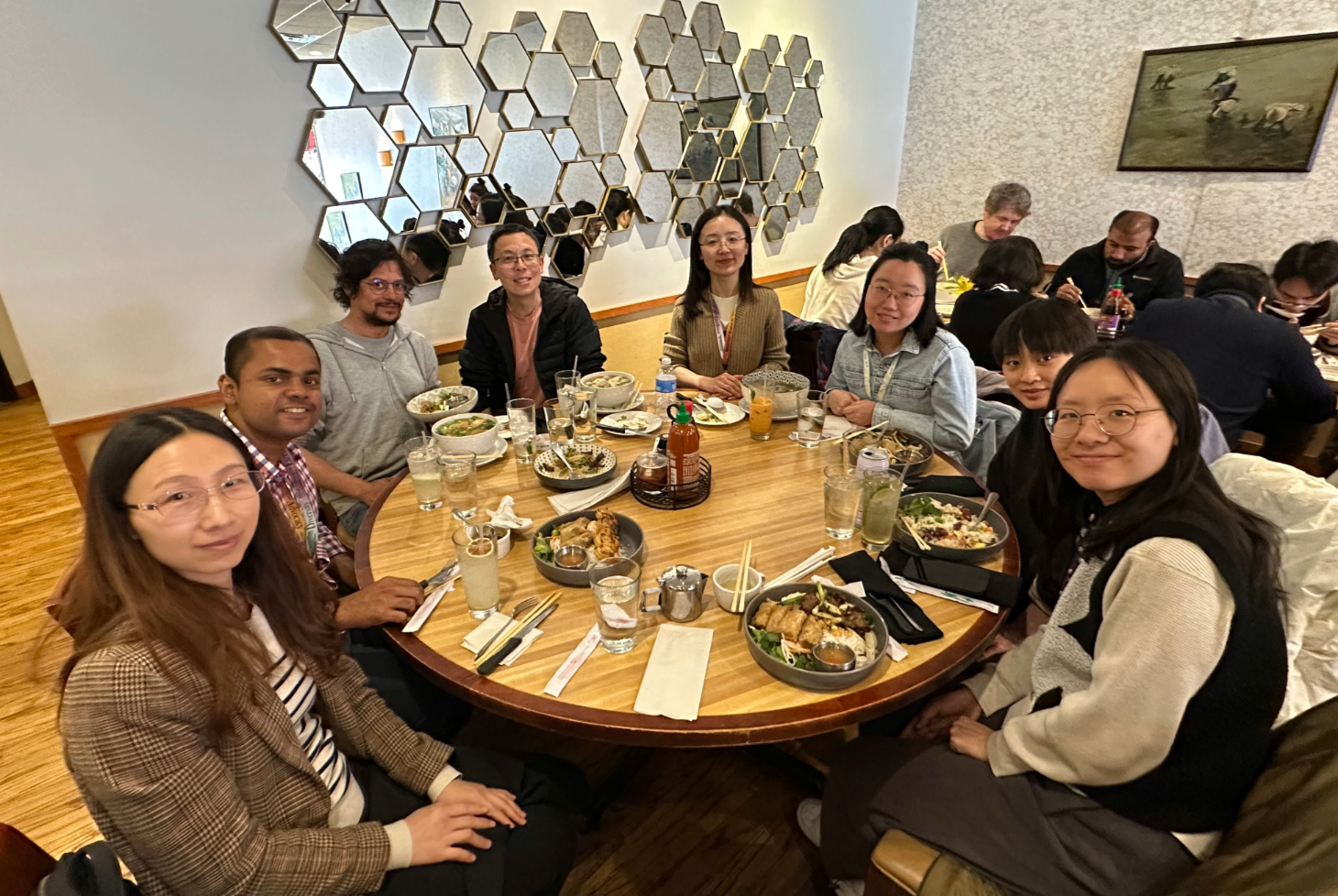
In addition to the research and accomplishments that have kept the lab busy, the team has found time to connect and enjoy one another’s company outside of the lab. These opportunities to spend time together have helped strengthen the sense of community that is an important part of life in the lab.